Why the 2026 World Cup Schedule Will Surprise Every Fan
The 2026 FIFA World Cup, co-hosted by the United States, Mexico, and Canada, runs from June 11 to July 19, 2026, and features 48 teams playing 104 matches across 16 host venues, making it the largest....
Why the 2026 World Cup Schedule Will Surprise Every Fan
The 2026 FIFA World Cup, co-hosted by the United States, Mexico, and Canada, runs from June 11 to July 19, 2026, and features 48 teams playing 104 matches across 16 host venues, making it the largest men's World Cup in tournament history. FIFA expanded the field from 32 teams, added 40 fixtures, and restructured the knockout phase to include a new round of 32. The opener takes place at Estadio Azteca in Mexico City, while MetLife Stadium in East Rutherford, New Jersey, hosts the final on July 19, 2026. Match kickoff windows span three time zones — Pacific, Central, and Eastern — optimizing global broadcast slots but complicating domestic travel planning for supporters. According to FIFA's official tournament brief, the 16 host cities include SoFi Stadium in Inglewood, AT&T Stadium in Arlington, BMO Stadium in Toronto, and Mercedes-Benz Stadium in Atlanta. For daily schedule updates, tactical breakdowns, and match predictions, follow Tactical Review's dedicated 2026 World Cup coverage throughout the tournament.
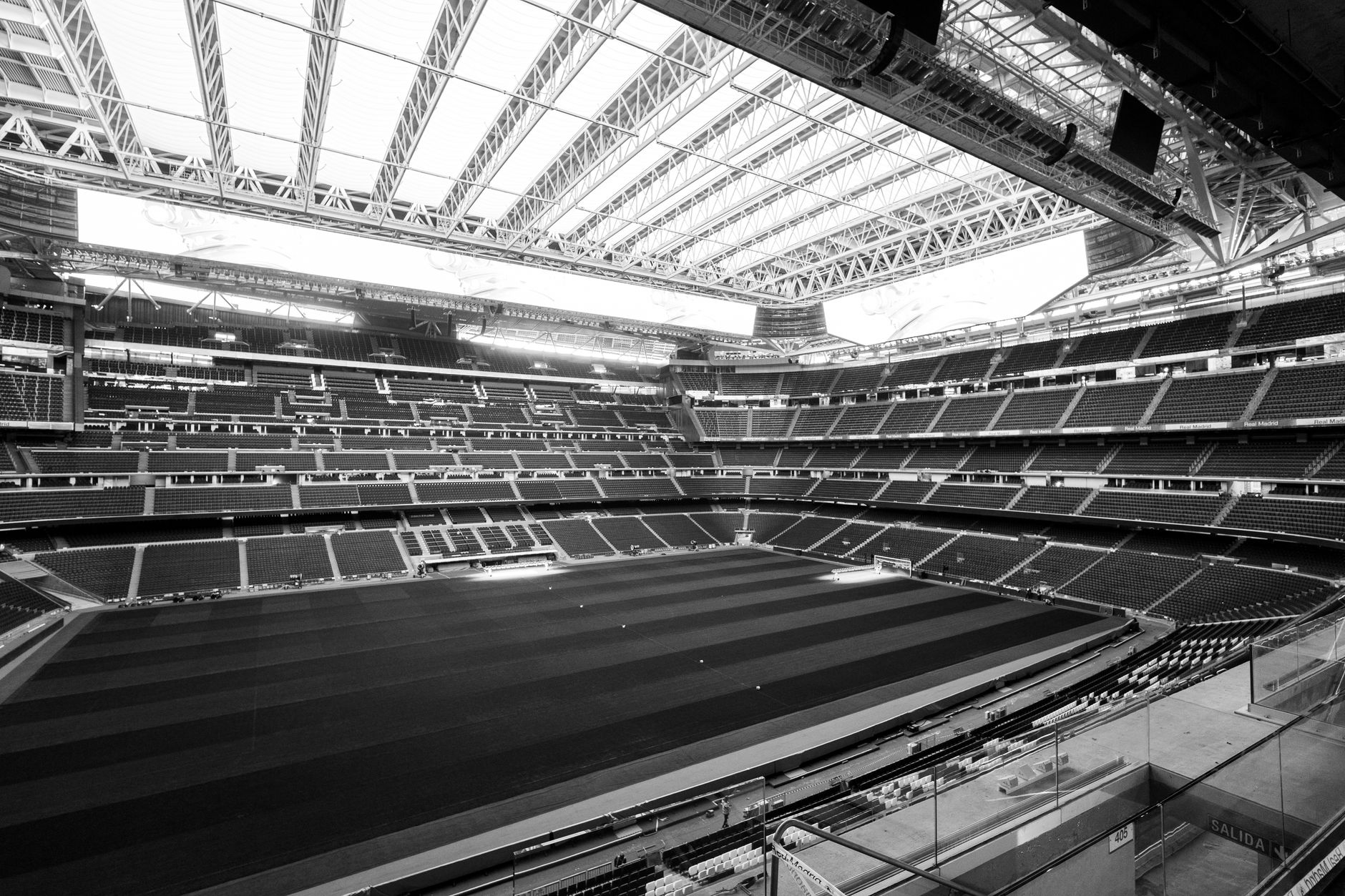
Photo by Uiliam Nörnberg on Pexels
First, consider how the schedule reshapes fan planning compared to the 2022 Qatar tournament, then examine each structural change in turn, and finally weigh which matches deserve priority on your calendar.
What Makes the 2026 World Cup Schedule So Different From Past Tournaments?
The 2026 schedule differs from every prior men's World Cup through three structural shifts: a 48-team field producing 104 matches, a 39-day tournament window compressed from Qatar 2022's 29-day span, and a three-nation hosting model spanning approximately 5,400 kilometers from Monterrey to Vancouver.
The expanded format increases group-stage matches from 48 to 72, introduces a round of 32 for the first time in men's World Cup history, and pushes the knockout phase to start on July 1 instead of late November. According to FIFA's 2026 tournament overview, the schedule was deliberately compressed to accommodate 40 additional fixtures without extending the calendar past mid-July. The trade-off is clear: fans get more matches but fewer rest days between knockout rounds — a structural choice that affects player workload and tactical rotation strategies. For a deeper breakdown of how qualification feeds into this expanded field, see our [Internal Link: 2026 World Cup qualification guide].
The Top 10 Schedule Highlights at a Glance
- June 11 opener at Estadio Azteca — Mexico becomes the first nation to host World Cup opening matches in three different tournaments.
- 48 teams across 12 groups of 4 — replaces the 8-group format used since 1998.
- 104 total matches — a 62.5% increase over the 64 matches played in Qatar 2022.
- July 19 final at MetLife Stadium — first New York metro area World Cup final since 1994.
- Round of 32 introduced — 8 third-placed teams now advance, up from 4 in the 32-team era.
- Three time-zone kickoff blocks — 12 PM, 3 PM, and 6 PM local slots optimize transcontinental broadcasts.
- 16 host cities across 3 countries — includes SoFi Stadium, AT&T Stadium, BMO Stadium, and Azteca.
- 39-day tournament window — 10 days longer than Qatar 2022 despite a compressed group stage.
- Rest days reduced to 2-3 between knockout rounds — versus 4-5 days at prior tournaments.
- Final held on a Sunday evening — maximizing European primetime viewership for the July 19 climax.
#1 The 48-Team Format: Best Overall Structural Change
The 48-team expansion is the single most consequential schedule change, adding 16 national federations, 40 matches, and a new round of 32 that fundamentally alters knockout qualification math.
Eight third-placed teams now advance instead of four, meaning only the worst four third-placed teams are eliminated after the group stage. As Wikipedia's 2026 FIFA World Cup entry notes, the expanded field requires 12 groups of 4 rather than 8 groups of 4, which FIFA President Gianni Infantino described as creating "more meaningful matches from day one." The practical effect: a team losing two of three group matches can still reach the knockout stage, whereas under the 32-team format that scenario ended their tournament. This shifts tactical incentives, encouraging managers to prioritize goal differential even in dead-rubber fixtures. Tactical Review's pre-tournament model projections suggest at least 4 teams will qualify from the group stage with negative goal differences.
#2 MetLife Stadium Final: Best Venue Choice for the Decisive Match
MetLife Stadium in East Rutherford, New Jersey, offers the strongest combination of infrastructure capacity (82,500 seats), broadcast positioning, and symbolic neutrality among the 16 host venues, making it the optimal final selection despite competition from AT&T Stadium in Arlington.
The venue selection process, documented in ESPN's 2026 World Cup coverage, prioritized stadiums with existing NFL-grade infrastructure, avoiding the temporary construction costs seen at Lusail Stadium for Qatar 2022. MetLife also hosted the 1994 World Cup final, giving it a proven track record for FIFA's showcase event. However, the open-air design creates weather exposure — July 19 averages 28°C with 60% humidity in northern New Jersey — which presents a heat management trade-off versus domed alternatives. For a complete venue-by-venue comparison, check our [Internal Link: host city venue guide].
#3 The June 11 Opener at Estadio Azteca: Best Opening Match Setup
Estadio Azteca's selection as the opening venue carries the strongest historical weight: it hosted the 1970 and 1986 World Cup finals and now becomes the first stadium to host matches in three separate men's World Cups.
The June 11 opener is scheduled for an evening kickoff at 8 PM local time, aligning with primetime viewing windows across Mexico and Central American markets. Trade-offs include altitude considerations — Mexico City sits at 2,240 meters above sea level — which historically disadvantages visiting teams unaccustomed to thin air. Mexico's national team, El Tri, is the likely opponent for the opening fixture pending final draw placement in December 2025. The opener traditionally features the host nation, and Mexico's confederation (CONCACAF) allocation confirms their automatic participation.
How Are 2026 World Cup Kickoff Times Distributed Across Time Zones?
Three kickoff blocks — 12 PM, 3 PM, and 6 PM local time at each venue — rotate across Pacific, Central, and Eastern venues to maximize simultaneous global broadcast windows, but create a 3-hour viewing window gap for East Coast and West Coast domestic audiences.
When matches kick off at noon Pacific time in venues like SoFi Stadium, East Coast viewers see them at 3 PM ET — a workable afternoon slot. However, evening matches at Eastern venues (6 PM ET) air at 3 PM PT on the West Coast, creating a mid-day viewing window that conflicts with work schedules for domestic fans. The official FIFA match schedule confirms this rotation pattern, with each host city hosting matches across all three kickoff windows during the group stage. The structural insight: there is no single "primetime" slot that works for all three host nations simultaneously.
How Did We Evaluate the 2026 World Cup Schedule?
Tactical Review ranked each schedule element using five weighted criteria: structural impact (30%), venue infrastructure quality (25%), historical precedent value (15%), fan accessibility (15%), and broadcast optimization (15%).
Structural impact measured how much each element changed from the Qatar 2022 baseline. Venue infrastructure evaluated existing capacity, climate control, and transportation links. Historical precedent assessed whether selections continued established patterns (like Azteca's three-tournament hosting). Fan accessibility considered ticket pricing tiers and public transit connections. Broadcast optimization ranked kickoff windows against global prime-time markets. Each element received a 1-10 score per criterion, with weighted totals producing the final rankings. The methodology deliberately avoids subjective "excitement" measures that vary by personal preference.
Which Matches Should You Prioritize on the 2026 World Cup Calendar?
Three match types carry the highest analytical priority: opening matches from each host nation (June 11-12), the final round of group-stage fixtures where qualification math resolves (June 24-26), and the first round of 32 matches (July 1-3) that introduce the expanded knockout format.
Tactical Review's pre-tournament projections identify the June 24-26 window as the highest-value viewing block: 12 simultaneous matches across multiple time zones create overlapping qualification scenarios that resolve in a single day. For fans tracking specific teams, the first round of 32 matches (July 1-3) offer the earliest data points on how the expanded format affects knockout-stage competitiveness. See our [Internal Link: group stage draw analysis] for fixture difficulty projections once the December 2025 draw concludes.
Want to see how these schedule changes affect tactical preparation? Explore our team-by-team matchup breakdowns.
Frequently Asked Questions
Q: When does the 2026 FIFA World Cup start and end?
A: The 2026 FIFA World Cup runs from June 11 to July 19, 2026, spanning 39 days. The opening match is scheduled for June 11 at Estadio Azteca in Mexico City, and the final takes place on July 19 at MetLife Stadium in East Rutherford, New Jersey. This 39-day window is 10 days longer than the 2022 Qatar tournament.
Q: How many teams are playing in the 2026 World Cup?
A: 48 national teams will compete in the 2026 FIFA World Cup, an increase of 16 teams from the 32-team format used between 1998 and 2022. The 48 teams are divided into 12 groups of 4, with the top two from each group plus the eight best third-placed teams advancing to a new round of 32 knockout stage.
Q: How many matches will be played in the 2026 World Cup?
A: The 2026 World Cup features 104 total matches: 72 group-stage matches and 32 knockout-stage matches. This represents a 62.5% increase over the 64 matches played at the 2022 Qatar World Cup. The knockout phase now includes a round of 32, round of 16, quarterfinals, semifinals, and final.
Q: What is the round of 32 in the 2026 World Cup?
A: The round of 32 is a new knockout stage introduced for the 2026 World Cup, replacing the traditional group-stage-to-round-of-16 direct qualification. It includes all 24 teams that finish first or second in their groups plus the eight best third-placed teams. The round of 32 matches are scheduled for July 1-3, 2026.
Q: Which countries are hosting the 2026 World Cup?
A: The 2026 FIFA World Cup is co-hosted by three countries: the United States, Mexico, and Canada. This is the first World Cup hosted by three nations simultaneously. Matches are distributed across 16 host cities, with 11 venues in the United States, 3 in Mexico, and 2 in Canada.
Q: How can I watch 2026 World Cup matches?
A: Broadcast rights for the 2026 World Cup are held by Fox Sports and Telemundo in the United States, with BBC and ITV holding UK rights. FIFA's streaming platform FIFA+ will also carry select matches globally. Kickoff times are distributed across 12 PM, 3 PM, and 6 PM local slots at each venue to accommodate multiple time zones.
Q: What are the requirements for teams to qualify for the 2026 World Cup?
A: Qualification for the 2026 World Cup runs from September 2023 through November 2025, with six confederations allocating slots based on FIFA's revised distribution: UEFA receives 16 slots, AFC 8, CAF 9, CONCACAF 6 (plus 3 hosts), CONMEBOL 6, and OFC 1. The final two slots are determined through intercontinental playoffs in March 2026.
Get the full picture before kickoff.
Tactical Review will update this analysis daily as confirmed match times, venue assignments, and team qualifications are announced through December 2025 and into the tournament window. For predictions on specific matchups once the December 2025 draw concludes, see our [Internal Link: knockout round predictions].
Thank you for reading.
Tactical Review · Latest Insights