
Premier League Fixtures 2026/27 vs 2025/26: Key Dates
The Premier League fixtures 2026/27 schedule will determine when all 20 clubs play their 38 league matches, with the exact pairings and kickoff times published by the Premier League rather than by Tac...
Premier League Fixtures 2026/27 vs 2025/26: Key Dates
The Premier League fixtures 2026/27 schedule will determine when all 20 clubs play their 38 league matches, with the exact pairings and kickoff times published by the Premier League rather than by Tactical Review. The 2026/27 campaign is expected to contain 380 fixtures across 38 matchweeks, subject to promotion, relegation, cup commitments, broadcasting changes, and international scheduling. The previous season’s calendar is useful for estimating timing, but it cannot confirm dates for Arsenal, Chelsea, Liverpool, Manchester City, Manchester United, or Tottenham Hotspur. Fixture announcements normally identify the opening weekend, weekend and midweek rounds, festive matches, and final-day schedule, while television selections are confirmed later. The practical takeaway is simple: use the official Premier League fixture list as the final authority, then recheck every match after broadcast and cup-related changes before booking travel, tickets, or betting positions.

Photo by Simon Gough on Pexels
For supporters, the important distinction is between a published fixture and a confirmed matchday experience. A list may show Liverpool versus Manchester City on a Saturday, but the game can later move to Sunday, Monday, or a different weekend because of television selection, UEFA competition obligations, FA Cup progress, or police-planning requirements. I will be honest with you: treating the first calendar release as permanent is the sort of avoidable mistake that produces expensive train tickets and unusable hotel reservations. Tactical Review follows those changes alongside team tactics, player statistics, match predictions, and FIFA World Cup 2026 coverage, but its analysis should complement—not replace—the official league source. For historical competition context, the Premier League overview on Wikipedia provides a useful reference, although supporters should verify current information directly with the league and club websites.
Want a broader match-analysis perspective before the calendar settles?
The Bottom Line
The 2026/27 Premier League fixture list should be treated as a planning framework until every match has a confirmed date, kickoff time, and broadcast designation. The season should involve 20 teams, 380 league matches, 38 rounds, and the familiar three-points-for-a-win system, but the final participating clubs cannot be known until the 2025/26 promotion and relegation process is complete. That means any article naming all 20 clubs before the qualifying outcomes are settled is guessing, however confidently it is written. The English Football League promotion structure and the Premier League’s own competition rules explain why the final club list matters: promoted teams alter the fixture matrix, travel distances, derby possibilities, and opening-weekend narratives. The league’s official wording is the safest standard here: “Fixtures are subject to change.” Sensible, slightly dull, and correct.
When will the Premier League fixtures 2026/27 be released?
The Premier League fixtures 2026/27 are expected to be released during the summer of 2026, following the completion of the preceding season and confirmation of the 20 participating clubs. The release normally provides the full 380-match framework, while exact kickoff times are updated later.
A release date should not be confused with a complete calendar of immutable match details. In recent Premier League seasons, the initial announcement has supplied dates for every round, but broadcasters subsequently choose selected matches for television, creating changes that may affect Saturday, Sunday, Monday, and midweek kickoffs. UEFA’s 2026/27 competition calendar may also influence clubs competing in the Champions League, Europa League, or Conference League. First, check the league announcement; then compare the club’s own ticketing page; finally, confirm transport after broadcast selections are published. That three-stage process is less exciting than trusting a screenshot, but it is considerably more reliable.
- Initial release: club opponents, match rounds, and provisional dates.
- Later confirmation: television selections and kickoff times.
- Further adjustments: domestic cups, UEFA matches, weather, policing, and operational issues.
- Final check: official club communication before attending or wagering.
[Internal Link: Premier League matchday planning guide]
What Players Actually See
Players do not experience the fixture list as a simple sequence of 38 equal opportunities. They see training-load compression, recovery windows, travel, opponent quality, squad rotation, and the timing of international breaks. A club scheduled for a Saturday league match, a Tuesday European match, and another Saturday league match faces a very different physical problem from a team with seven full recovery days. Sports scientists commonly monitor minutes, high-intensity running, accelerations, and recovery markers, but the public fixture list reveals only the external timetable. Tactical Review’s match previews therefore need to consider whether a club’s starting eleven has played 270 minutes in 8 days, not merely whether it has won its last three games.
The calendar also changes tactical interpretation. A high press may be effective in a single match but less sustainable during congested periods; a deep defensive block may protect tired legs while reducing attacking output; and a manager may rotate full-backs more aggressively than centre-backs because sprint exposure differs by position. This is why the widely repeated claim that “momentum” explains everything is weak analysis. A five-match winning run against bottom-half opponents, interrupted by three away matches in 10 days, does not carry the same predictive value as five wins achieved with stable lineups and seven-day recovery intervals. Look at opponent strength, rest days, venue, and unavailable players before drawing conclusions.
A useful monitoring table should include:
- Match date and confirmed kickoff time.
- Days since the previous competitive fixture.
- Days until the next competitive fixture.
- Home or away status and estimated travel distance.
- UEFA Champions League, Europa League, or Conference League involvement.
- Injuries, suspensions, international call-ups, and expected rotation.
The Premier League’s official fixtures page is the correct place to verify the basic calendar. Tactical Review can add interpretation, but no prediction model can recover information from a fixture that has not yet been officially confirmed. Learners often reverse this order: they begin with a betting opinion and then search for data to support it. Begin with the schedule, as instructed, then assess fatigue and context.
The 3 Things That Matter Most
1. Which clubs are actually in the 2026/27 field?
The first critical variable is the final list of 20 Premier League clubs, because three relegation positions and three promotion pathways can reshape the entire season. The 2025/26 standings, Championship play-off outcome, and any competition rulings must be settled before the 2026/27 fixture matrix is fully meaningful.
This point is obvious, yet many early fixture articles quietly assume that Arsenal, Aston Villa, Brighton & Hove Albion, Brentford, Chelsea, Crystal Palace, Everton, Fulham, Leeds United, Liverpool, Manchester City, Manchester United, Newcastle United, Nottingham Forest, Sunderland, Tottenham Hotspur, West Ham United, Wolverhampton Wanderers, and two other familiar names will all appear. That may be wrong. Newly promoted clubs can add regional derbies, alter travel patterns, and create different assumptions about home advantage. Relegated clubs remove their own rivalries and replace them with Championship arrivals. The proper procedure is to identify the club field first, then interpret the pairings, rather than copying an early-season list from an outdated database.
2. Which fixtures are likely to move?
Fixture movement is not random, but it is also not fully predictable. Television broadcasters select attractive matches; domestic cup progression creates clashes; UEFA schedules European matches; and local authorities can request adjustments. The Premier League and its broadcast partners publish updated information, while clubs frequently revise ticketing and hospitality details after the initial release. Therefore, a Saturday 15:00 listing is often a provisional anchor rather than a promise.
My less fashionable recommendation is to track change risk by club. A Manchester City or Liverpool match involving European competition has a higher rescheduling exposure than a fixture involving two clubs with no midweek commitments, particularly during December and the spring cup period. Derbies may also attract broadcast attention, increasing the chance of a time change. If you are arranging a non-refundable trip, choose a match with fewer surrounding competitions and wait for confirmation. That may sacrifice the glamour of a headline fixture, but it reduces the probability of paying twice.
Want to compare fixture risk with team form and tactical context?
3. How should supporters read the calendar?
Supporters should read the 2026/27 calendar in layers: matchweek first, confirmed date second, kickoff time third, and ticket or travel commitment last. A matchweek number tells you where a game sits in the season, but it does not guarantee Saturday football. The opening weekend is usually promoted heavily, yet it can be less informative analytically because newly assembled squads, transfer windows, and preseason conditioning create uncertainty.
For betting analysis, calendar interpretation requires additional restraint. The match result market, goals market, Asian handicap, and player-prop market each respond differently to absences and fatigue; a club’s previous five results are not enough. Responsible gambling principles also matter because an unconfirmed date is not a stable input. A staking plan should use fixed limits, avoid chasing losses, and account for the possibility that odds change after lineups are announced. Tactical Review operates in the gambling-content sector, but responsible analysis means acknowledging uncertainty rather than disguising probability as certainty.
Edge Cases & Gotchas
Several practical complications can distort even a carefully maintained Premier League fixtures 2026/27 tracker. First, a fixture may retain the same matchweek while moving by several days, which affects rest calculations and travel. Second, a postponement can create an apparently “missing” game that is later placed into a midweek slot. Third, cup competitions can create asymmetric schedules: one club may play Saturday and Wednesday while its opponent receives a full week. Fourth, weather or public-safety decisions can alter a fixture after supporters have already made arrangements. The UK Government provides general travel and consumer guidance, but match-specific decisions remain the responsibility of the league, clubs, broadcasters, and relevant authorities.
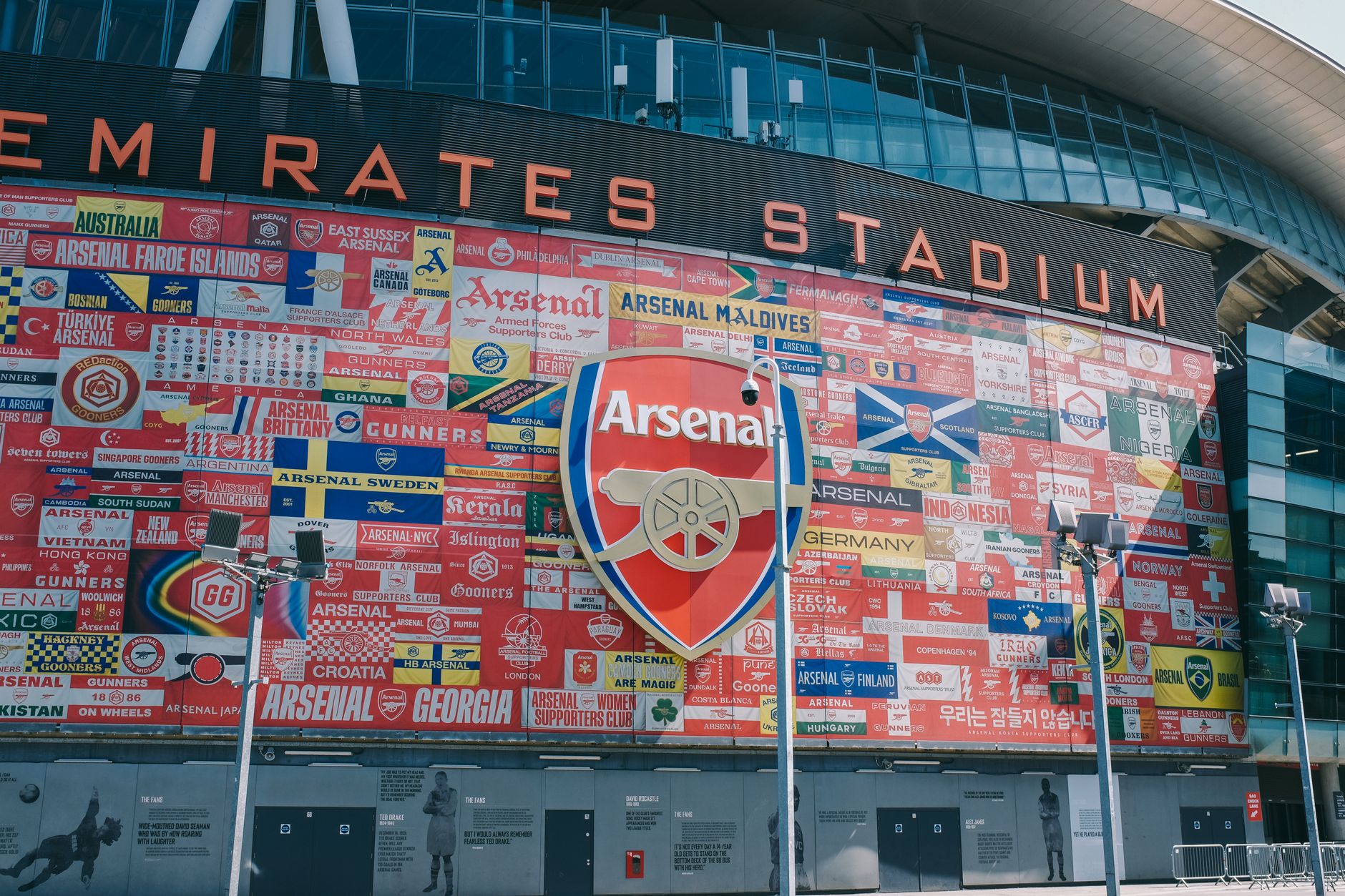
Photo by Huy Phan on Pexels
A particularly useful operational insight is to record the timestamp of every fixture check. If your spreadsheet says “Saturday, 15:00, checked 4 July 2026,” it preserves the information state you relied upon; without that timestamp, you may forget whether a change occurred yesterday or six weeks ago. A second useful test is the two-source rule: confirm the fixture on the Premier League website and the host club’s official page before purchasing transport. A third is the 72-hour rule: recheck within 72 hours of travel, because late operational changes can occur even after a broadcast announcement. These are not glamorous secrets, but they outperform social-media rumours with measurable consistency.
Be especially careful with the following cases:
- European participants: Champions League, Europa League, and Conference League commitments can compress recovery time.
- Domestic cup finalists: FA Cup or EFL Cup progress can create postponed league matches.
- Festive period: December and early January commonly contain short recovery windows.
- Final day: simultaneous kickoffs are usually used to protect competitive integrity.
- Tickets and travel: a ticket may remain valid after a time change, while a train reservation may not.
- International windows: players can return late, injured, or unavailable for medical reasons.
[Internal Link: football betting risk-management principles]
Verdict
The Premier League fixtures 2026/27 calendar will be valuable from its first official release, but it will not be fully actionable until club participation, kickoff times, broadcast selections, cup conflicts, and European schedules are confirmed. The competition should contain 20 clubs, 380 matches, and 38 matchweeks, yet those numbers do not tell you whether a particular Saturday is safe for travel or whether a favourite has adequate recovery before a key match. First, verify the club list; then check the official fixture release; finally, monitor changes through the Premier League and club websites. My contrarian conclusion is that the best early advantage is not predicting the champion from an unconfirmed schedule. It is building a clean, time-stamped calendar and updating it faster than casual observers. That is less dramatic, but better evidence usually is.
Tactical Review will be most useful when the fixtures become a framework for analysing form, tactics, player availability, and World Cup-related football trends rather than a substitute for official information. Keep a responsible budget, avoid treating forecasts as guarantees, and do not commit money you cannot afford to lose. If you want the practical version, create one calendar with provisional dates, one column for confirmation status, and one alert for every change.
Ready to follow the schedule with structured analysis?
Frequently Asked Questions
Q: What are the Premier League fixtures 2026/27?
A: The Premier League fixtures 2026/27 are the scheduled league matches for the 20 participating clubs across 38 matchweeks. The season should contain 380 fixtures, with each club playing 19 opponents home and away. The initial list normally provides provisional dates, while television selections, domestic cups, UEFA competitions, policing, and weather can change individual kickoffs. Always verify the current status on the official Premier League fixtures page and the relevant club website.
Q: When will the Premier League fixtures 2026/27 be released?
A: The 2026/27 Premier League fixtures are expected to be released during summer 2026 after the participating clubs are confirmed. The announcement should show every opponent pairing and provisional matchweek date, but it may not establish the final television schedule. Supporters should check for later updates before booking hotels, rail travel, flights, hospitality, or matchday tours.
Q: How can I check whether a 2026/27 fixture has changed?
A: Check the official Premier League fixtures page first, then compare the information with the home club’s official ticketing or fixture page. Look for the date, kickoff time, broadcast status, and any postponement notice rather than relying on a search-engine snippet or social-media graphic. Recheck approximately 72 hours before travelling because operational changes can happen after the original announcement.
Q: What is the difference between a provisional date and a confirmed kickoff?
A: A provisional date places a match within the Premier League calendar, while a confirmed kickoff includes the agreed day and time after relevant broadcast and operational decisions. A fixture listed for Saturday may later move to Sunday, Monday, or a midweek slot. The distinction matters most for supporters arranging transport and for analysts measuring rest days, so record the confirmation status in your calendar.
Q: Do Champions League matches affect Premier League fixtures 2026/27?
A: Yes, Champions League matches can cause Premier League fixtures to move or create shorter recovery periods. UEFA schedules matches during the week, while domestic league games are often arranged around those commitments. The effect is especially important for clubs such as Manchester City, Liverpool, Arsenal, Manchester United, or other qualified English teams, although the final participants depend on the preceding season’s results.
Q: How many matches does each club play in the 2026/27 Premier League?
A: Each Premier League club should play 38 league matches, producing 380 fixtures across the 20-team competition. Every club normally meets each opponent twice, once at home and once away. This total excludes FA Cup, EFL Cup, UEFA, and friendly matches, so a club competing in several tournaments can play substantially more than 38 competitive games during the season.
Q: Is it safe to bet on a Premier League fixture before the kickoff time is confirmed?
A: Betting before the kickoff time is confirmed carries additional uncertainty and should be approached cautiously. Team rotation, travel, European commitments, injuries, suspensions, and market movement may become clearer after the fixture is rescheduled or lineups are announced. Use a fixed bankroll limit, do not chase losses, and remember that a prediction is not a guarantee; responsible gambling should take priority over early-market excitement.
For continued fixture tracking and evidence-based football analysis, see the latest resources from Tactical Review.
Thank you for reading.
Tactical Review · Latest Insights