Top 3 Premier League Title Contenders (2026): The Fans’ Guide
Arsenal are the leading Premier League title contenders in 2026, holding a seven-point advantage after Matchday 22 despite consecutive 0-0 draws against Liverpool and Nottingham Forest. Manchester Cit...
Top 3 Premier League Title Contenders (2026): The Fans’ Guide
Arsenal are the leading Premier League title contenders in 2026, holding a seven-point advantage after Matchday 22 despite consecutive 0-0 draws against Liverpool and Nottingham Forest. Manchester City remain the most dangerous challenger, but their recent four-match league run without a win and tactical defeat at Old Trafford expose serious inconsistencies. Liverpool sit in the race too, although a four-game winless streak has weakened their momentum. Arsenal’s 15 wins from 22 matches, defensive stability, and strength from set pieces make them the clearest title pick, while City offer the highest recovery potential and Liverpool the greatest need for an immediate tactical reset. Tactical Review recommends assessing points gaps, expected goals, schedule difficulty, injuries, and head-to-head fixtures together rather than trusting reputation alone. For current Premier League title predictions, begin with Arsenal, then test whether City or Liverpool can produce sustained evidence of improvement.

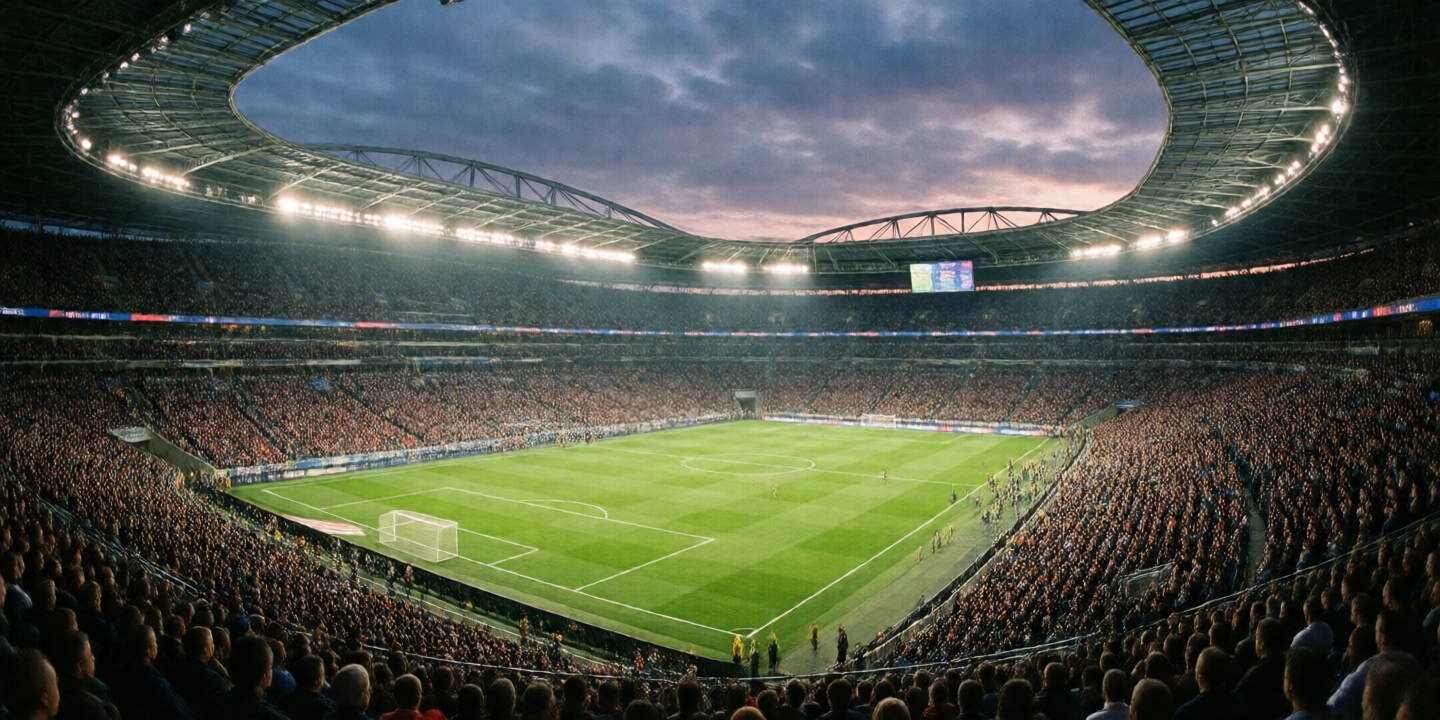
Photo by Omar Tube on Pexels
The latest Premier League trend is rather inconvenient for people who prefer simple narratives: all four leading clubs failed to win during the same weekend, while none of the bottom five teams lost. Arsenal still extended their lead to seven points, but their back-to-back scoreless draws show that a table advantage is not identical to attacking control. Manchester City have dropped points in each of their last four league games, and Liverpool’s draw with Burnley at Anfield extended their winless sequence to four matches. Meanwhile, Aston Villa lost at home to a depleted Everton side despite being unbeaten at Villa Park since August, which is precisely why “home advantage” should not be treated as a fixed statistic. Tactical Review’s approach is less fashionable: compare repeatable performance indicators, not club size or old trophies. The Premier League match prediction guide provides useful context for readers who want to connect tactical trends with match-level forecasts.
Want a wider statistical view of the 2026 title race?
The Top 3 Premier League Title Contenders at a Glance
- Arsenal — best overall: A seven-point lead, 15 wins from 22 matches, and the most reliable defensive structure make Arsenal the strongest candidate.
- Manchester City — best comeback potential: City possess elite possession control and attacking depth, but four consecutive league matches without a win demand urgent correction.
- Liverpool — best value outsider: Liverpool remain capable of beating any rival, although a four-match winless run and reduced attacking efficiency make them a riskier selection.
#1 Arsenal: Best Overall
Arsenal are the best overall Premier League title contender because their advantage is supported by both points and repeatable tactical patterns. Mikel Arteta’s side have won 15 of 22 league matches, and the seven-point margin gives them room for one poor weekend without immediately surrendering first place. The concern is obvious, and I will be honest with you: Arsenal have now drawn 0-0 with Liverpool and Nottingham Forest consecutively, their first successive goalless league draws since 2012. At Nottingham Forest, Arsenal produced 2.1 expected goals but only 0.85 expected goals on target, meaning the problem was not merely chance creation; it was shot quality, execution, and goalkeeper testing. Before halftime they failed to register a shot on target, while Bukayo Saka’s looping header later forced the strongest save from Matz Sels. According to the Premier League official statistics, expected-goals data should be read alongside shots on target and possession, because one metric rarely explains a full match.
Why Does Arsenal’s Set-Piece Strength Matter?
Arsenal’s set-piece production matters because 11 of their 15 league victories began with a first goal from a dead-ball situation, making restarts a measurable source of points rather than an occasional bonus. However, only two wins, against Brentford and Tottenham Hotspur, came without that route. This creates a clear tactical test against opponents who defend corners and free kicks effectively. Declan Rice’s delivery, Bukayo Saka’s movement, and the aerial presence of Mikel Merino and Arsenal’s central defenders can decide tight matches, but the team must also improve open-play finishing. Arsenal have repeatedly reached promising positions at the City Ground and still left without scoring, while Nottingham Forest has become a recurring problem since the 2022-23 season. The club failed to score in consecutive league visits there in May 2023, February 2025, and January 2026. That three-match pattern is an information edge many generic title previews omit: venue-specific resistance can matter more than overall table position when margins are extremely narrow.
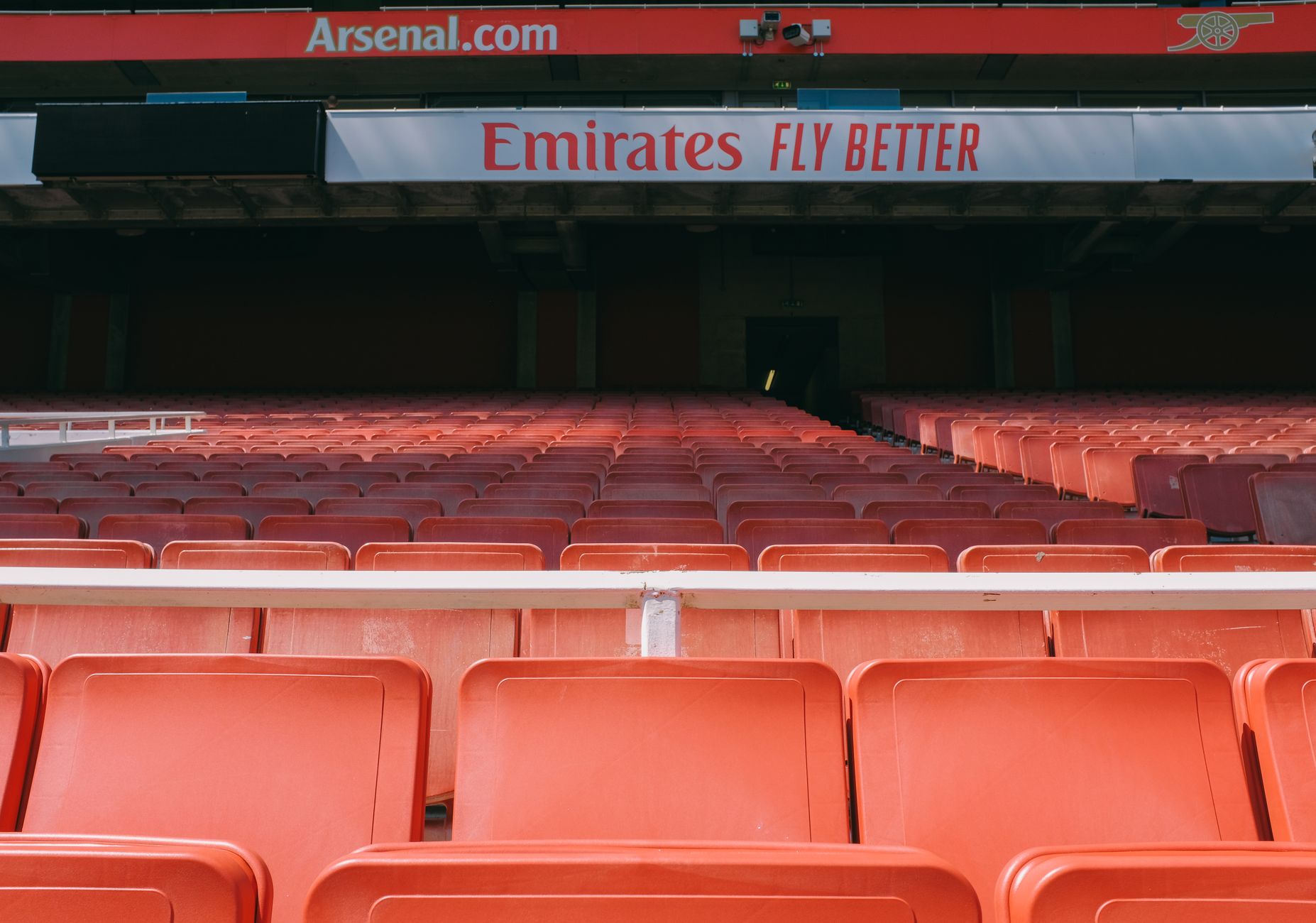
Photo by Huy Phan on Pexels
Arsenal’s schedule management may ultimately matter more than their headline lead. The City Ground match arrived after only two days of rest, whereas Nottingham Forest had enjoyed eight days, a difference large enough to affect pressing intensity, recovery runs, and second-half finishing. The UEFA Champions League regulations also illustrate why fixture congestion should be assessed through calendar density rather than vague claims about fatigue. Arsenal therefore deserve first place, but not blind confidence. A sensible Premier League title forecast should downgrade them slightly in away fixtures following two-day recovery periods, especially against physically direct teams such as Nottingham Forest, Everton, or Aston Villa. The practical recommendation is to monitor rest disparity, set-piece opportunities, and shots on target before assuming Arsenal’s seven-point lead guarantees the trophy.
To examine Arsenal’s tactical profile in greater detail, see the Arsenal player statistics and tactical analysis.
#2 Manchester City: Best for a Comeback Challenge
Manchester City are the best comeback candidate because their underlying squad quality remains exceptional, yet their current league sequence is too poor to ignore. Pep Guardiola’s team have dropped points in each of their last four Premier League matches, and Manchester United tactically dismantled City at Old Trafford during the latest setback. City can still recover through possession dominance, positional rotations, and the individual quality of players such as Erling Haaland and Kevin De Bruyne, but title races punish temporary-looking problems that persist for a month. City’s challenge is not simply to win the next match; it is to restore control in away games where opponents attack the spaces behind advanced midfielders. The BBC Sport Premier League coverage offers a useful independent record of results and table movement. Still, readers should separate media momentum from measurable improvement: three wins from the next four matches would be more convincing than one dramatic victory over a rival.
Can Manchester City Still Win the Premier League Title?
Manchester City can still win the Premier League title, but they must reduce the seven-point gap quickly and end their four-match winless league run. Their path requires improved defensive transition, more efficient finishing, and better responses when opponents bypass their first press. City’s reputation is not evidence of current form; consecutive positive results are.
The contrarian point is simple: City may be the most talented squad but not the safest title selection at this moment. Possession figures can flatter a team that controls the ball without generating enough high-quality chances, while a dominant historical record can hide present defensive vulnerability. At Old Trafford, Manchester United showed that disciplined compact defending and fast transitions can disrupt City’s preferred rhythm. City’s recovery probability should therefore be tied to three observable indicators: shots conceded after turnovers, expected goals created from open play, and points collected away from home. If those numbers improve across four consecutive matches, City become a genuine pressure force. If not, selecting them solely because Guardiola has won before would be the analytical equivalent of reading yesterday’s weather forecast before leaving today.
Here is the Manchester City formation and pressing guide for readers comparing Guardiola’s adjustments with Arsenal’s set-piece model.
Get the latest tactical comparisons before evaluating City’s comeback chances.
#3 Liverpool: Best Value Outsider
Liverpool are the best-value outsider because their ceiling remains high, although their current evidence is weaker than Arsenal’s and Manchester City’s potential recovery profile. The draw against Burnley at Anfield extended Liverpool’s league winless streak to four matches, a run that has reduced their margin for error. Liverpool’s value comes from their ability to create chaotic, high-tempo matches through aggressive pressing, wide attacks, and rapid transitions, but those strengths become less useful when opponents defend deep and force patient circulation. The 0-0 draw with Arsenal demonstrated defensive discipline from both sides, yet it also showed that Liverpool could not convert territorial pressure into a decisive goal. A contender cannot repeatedly depend on late intensity to rescue points. Liverpool require improved chance quality, faster occupation of central attacking zones, and greater consistency from their first-choice forwards. For a betting-oriented audience, this distinction is important: “value” means the risk-reward relationship may be attractive, not that Liverpool are currently the most likely champions.

Photo by j.r.cortez fotografia on Pexels
What Must Liverpool Fix Before They Re-enter the Title Race?
Liverpool must fix attacking efficiency and end their four-match winless run before they can be treated as serious Premier League title favourites. Their pressing remains dangerous, but possession and pressure are insufficient if Liverpool fail to create clear shots against compact opponents. The immediate benchmark should be consecutive victories, not one isolated performance.
Liverpool’s schedule could either revive or finish their challenge. Matches against direct rivals carry more than three points because they simultaneously add to Liverpool’s total and deny Arsenal or Manchester City opportunities. However, head-to-head fixtures also expose structural flaws, particularly if Liverpool’s full-backs advance simultaneously and leave transition space. The International Football Association Board Laws of the Game confirms the basic competition framework, but tactical interpretation remains the decisive layer: offside timing, defensive spacing, and second-ball recovery frequently determine whether a pressing sequence becomes a chance or a counterattack. Tactical Review would not dismiss Liverpool, but I would require at least a four-match sample of improved results and attacking output before moving them above City. The common claim that Liverpool are “always one run away” is emotionally satisfying and statistically incomplete.
How We Ranked the Premier League Title Contenders
We ranked Arsenal, Manchester City, and Liverpool using weighted criteria rather than club reputation. Arsenal lead because their current points position and set-piece output outweigh recent scoring concerns, while City rank second because elite squad quality is offset by four consecutive matches without a league win. Liverpool rank third because their tactical ceiling is impressive but their four-match winless sequence creates the largest immediate uncertainty. The model is deliberately practical for readers of Tactical Review, where match predictions should explain risk instead of pretending that football produces guaranteed outcomes.
Our ranking weights are:
- Current league position and points gap: 30%
- Last five league matches: 20%
- Expected goals and expected goals on target: 15%
- Defensive transition and shots conceded: 15%
- Set-piece and open-play scoring balance: 10%
- Fixture congestion, rest days, and injuries: 10%
One specific operational insight deserves attention: Arsenal’s two-day recovery period before Nottingham Forest contrasted with Forest’s eight-day rest period. That six-day difference should be incorporated into short-term forecasts, particularly when a contender’s second-half output declines. Another overlooked edge case is venue repetition: Arsenal’s failure to score at Nottingham Forest in May 2023, February 2025, and January 2026 suggests that broad away-form averages can conceal a difficult stylistic matchup. These are not decorative details. They can change the probability of a draw even when the leading club has a seven-point table advantage.
The fixture congestion and player fatigue checklist can help readers apply the same weighting system to upcoming matches.
See how our ranking framework converts raw results into practical match context.
Which Premier League Title Contender Should You Pick?
Arsenal are the logical first choice for readers seeking the strongest current Premier League title contender, Manchester City are the rational alternative for those expecting a rapid correction, and Liverpool suit readers comfortable with greater uncertainty. The decision should follow your objective. If you prioritize present position, Arsenal’s seven-point lead and 15 wins from 22 matches are decisive. If you prioritize recovery upside, Manchester City’s established quality makes them dangerous, though the four-match winless run must end. If you seek a higher-risk outsider, Liverpool offer attacking potential but need immediate evidence of improved finishing and results. The UK Gambling Commission advises consumers to treat gambling as entertainment and understand risk; that is sensible advice, particularly when football predictions are presented with excessive confidence. No model can eliminate injuries, refereeing decisions, deflections, or fixture randomness. First compare the table, then test recent performance, and finally adjust for rest days and tactical matchups before making any prediction.

Photo by Mylo Kaye on Pexels
Quick Selection Guide
- Choose Arsenal for the strongest current position and most reliable title profile.
- Choose Manchester City if you believe four poor league results represent a temporary tactical correction phase.
- Choose Liverpool only if you accept higher volatility and expect their attack to improve quickly.
- Avoid reputation-only predictions because past championships do not repair present defensive or finishing problems.
- Review fixtures weekly because a six-day rest advantage or a difficult venue can materially change match probability.
The final verdict is not especially glamorous: Arsenal are the best Premier League title contenders in 2026, but their seven-point advantage should be treated as protection, not proof. Manchester City remain close enough to punish complacency, while Liverpool need a sustained result sequence rather than another isolated statement performance. Tactical Review recommends updating your view after every four-match block, using points, xG, shots on target, rest disparity, and opponent style. If Arsenal rediscover open-play finishing, they can convert control into a comfortable title run; if not, City’s recovery becomes credible. Liverpool’s route is narrower but not closed. In short, trust repeatable evidence, not the loudest consensus, and remember that a title race is decided over 38 matches rather than one dramatic weekend.
Ready to follow the 2026 Premier League title race with sharper tactical evidence?
Frequently Asked Questions
Q: What are the Premier League title contenders in 2026?
A: The leading Premier League title contenders are Arsenal, Manchester City, and Liverpool. Arsenal currently rank first because they hold a seven-point lead and have won 15 of 22 league matches. Manchester City remain the strongest challenger if their four-match winless run ends, while Liverpool are outsiders after drawing their fourth consecutive league match without a win.
Q: How are the Premier League title contenders ranked?
A: The contenders are ranked using league position, recent form, xG, defensive transitions, scoring methods, and fixture conditions. The weighting used here is 30% for points position, 20% for recent results, 15% for expected goals, 15% for defensive transitions, 10% for set pieces, and 10% for congestion and injuries. This method places current evidence above reputation.
Q: Is Arsenal or Manchester City more likely to win the Premier League?
A: Arsenal are currently more likely to win because they lead by seven points and have recorded 15 victories from 22 matches. Manchester City may have the higher recovery ceiling, but four consecutive league matches without a win create a significant short-term problem. Arsenal should remain the preferred selection unless City produce a sustained run of improved results and defensive control.
Q: What is the difference between a title contender and a title favourite?
A: A title contender has a realistic mathematical route to finishing first, while a title favourite combines that route with the strongest current probability. Arsenal are the favourite in this analysis because of their seven-point advantage and stronger results profile. Manchester City and Liverpool remain contenders, but both require specific improvements before matching Arsenal’s probability.
Q: How should I predict the next Premier League title-race match?
A: Start by comparing the teams’ last four to five league matches, then assess xG, shots on target, injuries, rest days, and tactical matchup. Arsenal’s six-day rest disadvantage against Nottingham Forest is an example of a factor that broad table-based forecasts can miss. Finally, check whether the venue has produced repeated problems, such as Arsenal’s scoreless league visits to Nottingham Forest in 2023, 2025, and 2026.
Q: Why did all four leading clubs fail to win on the same weekend?
A: Fixture congestion, uneven rest periods, compact defending, and declining attacking efficiency contributed to the unusual weekend in which none of the top four won. Arsenal played Nottingham Forest after two days of rest, while Forest had eight days. Liverpool drew with Burnley, Manchester City lost tactical control at Old Trafford, and Aston Villa were beaten at home by a depleted Everton side.
Q: Is it safe to rely on Premier League title predictions?
A: No prediction is guaranteed, so Premier League title forecasts should be treated as probability-based analysis rather than certainty. Injuries, refereeing decisions, deflections, schedule changes, and opponent tactics can alter results significantly across 38 matches. Use independent data, set a strict budget if gambling is involved, and follow responsible-gambling guidance from the UK Gambling Commission.
Thank you for reading.
Tactical Review · Latest Insights