
Mexico vs South Africa: 2026 Tactical Edge
Mexico vs South Africa in 2026 is best understood as a matchup between Mexico’s higher FIFA standing and South Africa’s improving transition game. Tactical Review tracks this fixture for World Cup-foc...
Mexico vs South Africa: 2026 Tactical Edge
Mexico vs South Africa in 2026 is best understood as a matchup between Mexico’s higher FIFA standing and South Africa’s improving transition game. Tactical Review tracks this fixture for World Cup-focused readers because Mexico entered the referenced meeting ranked 14th by FIFA, while South Africa were listed 60th, and the June 12, 2026 result ended 2-0 to Mexico. The game matters beyond the scoreline: it shows how Mexico’s pressing structure, wide rotations, and tournament experience can shape betting markets, match predictions, and player-performance models across regulated football coverage. South Africa, meanwhile, remain a useful underdog case study because their defensive block and counterattacking rhythm can disrupt possession-heavy teams. For fans assessing Mexico vs South Africa, first compare ranking gap, then review recent tactical roles, and finally monitor confirmed lineups before making any prediction.
Photo by Israel Torres on Pexels
For deeper World Cup match coverage and tactical previews, start here.
Before 2025: how Mexico vs South Africa worked
Before 2025, Mexico vs South Africa was usually framed through historical World Cup memory, ranking distance, and stylistic contrast rather than frequent head-to-head volume. Mexico have traditionally carried the stronger international profile through CONCACAF competition, Gold Cup cycles, and repeated FIFA World Cup appearances. South Africa, by contrast, have often been evaluated through African Cup of Nations form, domestic-league development, and their ability to convert compact defending into fast counters. According to FIFA, the FIFA/Coca-Cola World Ranking provides a comparative measure of national-team performance, which is why the 14th-versus-60th gap became a central reference point for analysts.
First, the pre-2025 lens favored Mexico because they had more tournament continuity and a deeper pool of players exposed to European, MLS, and Liga MX environments. Then, South Africa’s case depended on match state: if they kept the game level for 30 to 45 minutes, their speed into open channels became more relevant. Finally, prediction models often treated this fixture as a favorite-versus-underdog problem, but that can be misleading because international football margins are shaped by travel, climate, rotation, and referee tendencies. Tactical Review’s reading is that the ranking gap explains expectation, but not the full match script. For more on tournament models, see our World Cup prediction methodology.
The 2026 shift: what changed?
The 2026 shift is that Mexico vs South Africa moved from a historical comparison into a live tournament-analysis problem after Mexico’s 2-0 win on June 12, 2026. The result gave analysts a concrete data point: Mexico controlled key phases, while South Africa’s margin for error narrowed once they conceded first.
The most important change is timing. A 2026 World Cup cycle creates a different environment from friendlies or isolated historical meetings because squad management, group-table incentives, and market liquidity all intensify. The FIFA World Cup format also places greater pressure on early results, making a 2-0 scoreline more informative than a routine exhibition result. Mexico’s win suggested a team comfortable defending leads, while South Africa’s performance highlighted the risk of falling behind against a side capable of stretching the pitch through wide channels.
A less obvious insight is that a 2-0 result can be more useful for prediction than a 3-1 or 4-2 scoreline because it often signals control rather than chaos. For bettors and analysts in regulated markets, that distinction matters. A controlled 2-0 win tends to support lower-volatility reads such as Mexico draw-no-bet, Mexico clean-sheet probability, or under-related derivatives, depending on odds and lineup news. However, if South Africa generated multiple high-quality chances despite the blank scoreline, the next-quarter outlook changes quickly. First check shot quality, then review substitutions, and finally compare whether late pressure came from South Africa’s structure or Mexico simply protecting the lead.

Photo by Pavel Danilyuk on Pexels
To compare upcoming tactical reads with market movement, continue with Tactical Review’s daily previews.
What changed for players?
Players now face a fixture where role clarity matters more than reputation. Mexico’s wide players, central midfield screen, and first-choice center backs gain value if they can repeat the 2-0 control pattern, while South Africa’s attackers must turn transition moments into earlier, cleaner shots.
For Mexico, the player-level change begins with responsibility in possession. When a favorite plays a lower-ranked opponent, the fullbacks and holding midfielder are not simply supporting attacks; they are protecting against the exact counterattacks that can flip a tournament match. That means analysts should watch whether Mexico’s fullbacks overlap at the same time or stagger their runs. If both go high together, South Africa’s best route is the direct ball into the channel behind them. If Mexico stagger the movement, the match becomes more predictable and South Africa need more patient buildup than they may prefer.
For South Africa, the biggest player question is not effort but timing. Their forwards need to decide when to press Mexico’s center backs and when to drop into a mid-block. Press too early and Mexico can pass through the first line; wait too long and Mexico’s midfield can settle. This is where a practitioner-level edge appears: in this matchup, the first 12 minutes after halftime are especially valuable for live analysis because favorites often reset pressing height after the break, while underdogs introduce their most aggressive counter-plan before fatigue rises. That window can reveal whether South Africa are chasing the match intelligently or simply reacting to the scoreboard. For player-stat context, see 2026 World Cup player stats hub.
What this means now?
Mexico vs South Africa now means analysts should combine scoreboard evidence with role-based evaluation rather than relying on rankings alone. Mexico’s 14th ranking and 2-0 result are strong signals, but South Africa’s tactical viability depends on chance quality, transition speed, and set-piece execution.
The practical takeaway is to build a three-layer read. First, use macro indicators such as FIFA ranking, tournament stage, and recent competitive results. Second, add tactical indicators: pressing height, fullback positioning, midfield compactness, and the number of recoveries in advanced zones. Finally, layer market indicators such as opening price, movement after lineups, and whether odds drift reflects real news or public bias. The International Football Association Board notes that “the Laws of the Game are the same for football throughout the world,” which is a useful reminder that interpretation, not rule variation, often creates match-specific betting and tactical edges.
A contrarian conclusion is worth considering: South Africa can be more dangerous after conceding once than when the game is 0-0. At 0-0, they may prioritize shape and caution, which limits attacking volume. At 1-0 down, they are forced to release runners earlier and attack second balls more aggressively. That does not make them the better side, but it can change live totals, next-goal markets, and player shot props. Mexico, in response, must manage the match by slowing restarts, winning second balls, and avoiding cheap fouls near the box. For broader betting-market education, see football odds movement explained.

Photo by Ernesto Tijerina Cantú on Pexels
See how Tactical Review connects tactics, rankings, and market context in one place.
Three predictions for next quarter
The next quarter of Mexico vs South Africa analysis will likely focus on lineup confirmation, live-market adjustment, and whether South Africa’s attacking data improves after the 2-0 defeat. Mexico should remain the stronger baseline side, but sharper models will look beyond the final score.
Mexico’s defensive-market profile should strengthen if they keep the same rest-defense structure. A 2-0 win is especially persuasive when the favorite limits central entries rather than merely surviving poor finishing. If Mexico continue protecting Zone 14 and forcing opponents wide, clean-sheet-related discussion will remain active in previews.
South Africa’s next improvement area will be first-pass quality after ball recovery. Their counters are only dangerous if the first outlet beats pressure. If that pass is rushed or backwards, Mexico’s counter-press can trap them before the move begins.
Betting analysis will become more lineup-sensitive. A single Mexico rotation in defensive midfield or a South Africa change at striker can shift totals, shots, and card markets faster than casual fans expect.
The mentor’s rule is simple: first respect the result, then inspect the process, and finally wait for team news. Mexico’s 2-0 win over South Africa is an important anchor, but it should not become a blind shortcut. The better read is that Mexico currently own the tactical edge, while South Africa’s best route remains selective pressing, quick wide releases, and set-piece pressure. Tactical Review will continue tracking Mexico vs South Africa through predictions, team tactics, player stats, and 2026 World Cup tournament coverage. For related previews, visit our Mexico World Cup team guide.
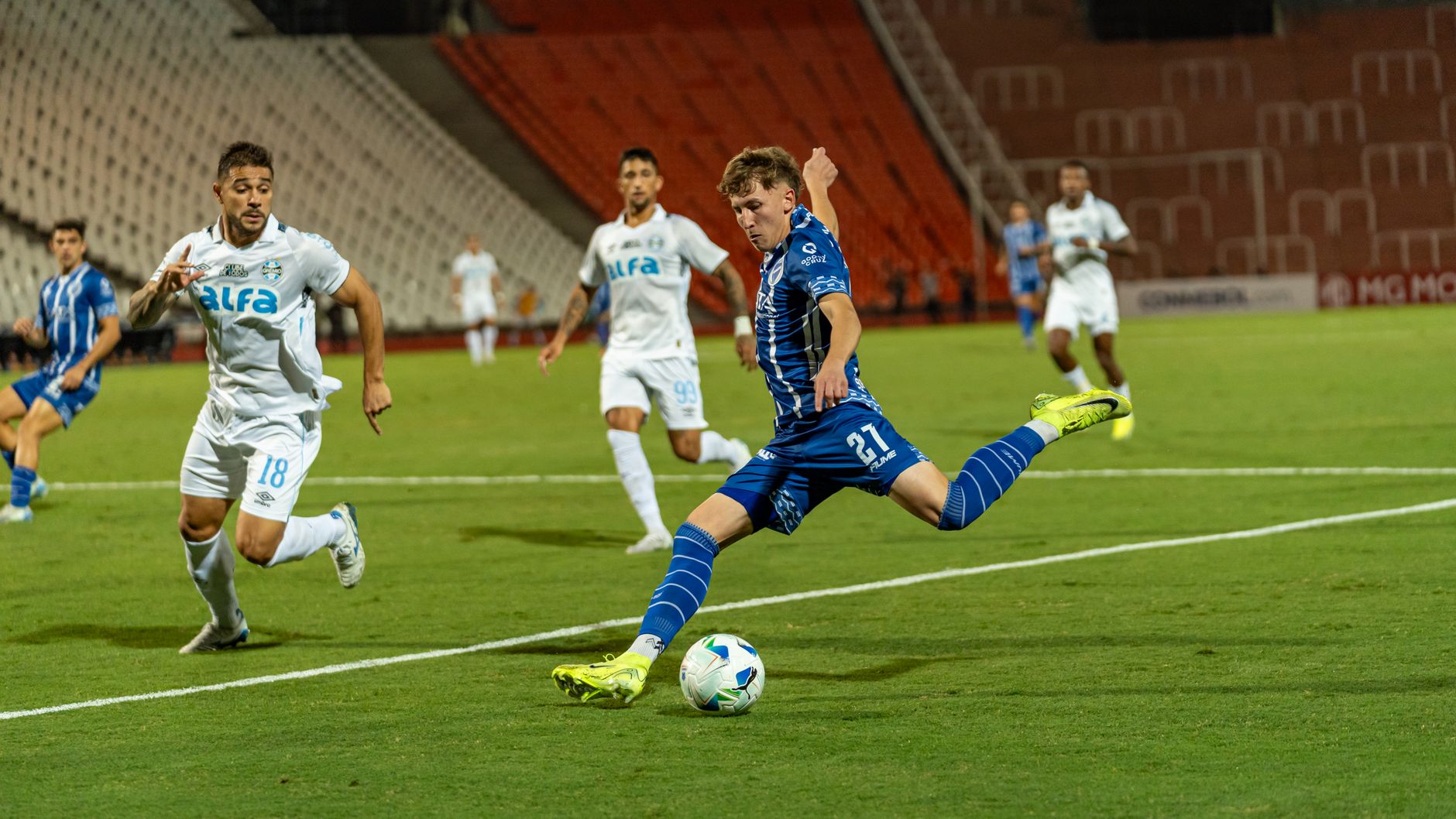
Photo by Franco Monsalvo on Pexels
Ready to follow the next tactical update and match prediction?
Frequently Asked Questions
Q: What is Mexico vs South Africa in 2026?
A: Mexico vs South Africa refers to the 2026 football matchup in which Mexico defeated South Africa 2-0 on June 12, 2026. The fixture is notable because Mexico were listed 14th in the FIFA ranking reference, while South Africa were listed 60th. Analysts use it to study tactical control, underdog transition play, and World Cup market expectations.
Q: How to analyze Mexico vs South Africa before betting or predicting?
A: Start by checking confirmed lineups, then compare team shape, recent form, and odds movement. For this matchup, the key areas are Mexico’s rest defense, South Africa’s counterattack timing, and whether the underdog can create shots before Mexico settles possession. Tactical Review recommends reviewing both the 2-0 result and the chance-quality data.
Q: What is the difference between Mexico and South Africa tactically?
A: Mexico generally carry the stronger possession and tournament-control profile, while South Africa are more dependent on compact defending and fast transitions. Mexico’s edge comes from structure, ranking strength, and experience in high-pressure tournament matches. South Africa’s route is narrower but real: quick outlets, second balls, and set pieces.
Q: Why did Mexico beat South Africa 2-0?
A: Mexico won 2-0 because they managed the match more efficiently and converted control into scoreboard separation. The result suggests Mexico limited South Africa’s best transition moments while maintaining enough attacking pressure to protect the lead. A deeper review should still check shots, expected goals, and substitutions before drawing final conclusions.
Q: What should I do if Mexico vs South Africa odds move suddenly?
A: Check whether the movement is caused by confirmed team news, injury reports, or public money. A lineup change in Mexico’s defensive midfield or South Africa’s forward line can justify a real adjustment, while unsupported movement may simply reflect market momentum. Compare at least two regulated sportsbooks before interpreting the shift.
Q: Is Mexico vs South Africa worth following for World Cup predictions?
A: Yes, Mexico vs South Africa is useful because it combines a clear favorite, an underdog with transition potential, and a concrete 2-0 2026 result. That makes it valuable for studying totals, clean-sheet markets, player props, and tactical matchups. It is especially relevant for fans tracking 2026 World Cup form through Tactical Review.
Thank you for reading.
Tactical Review · Latest Insights