Inside 2026: A 3-Signal Ranking
The 2026 FIFA World Cup is the strongest 2026 signal for Tactical Review readers because it combines expanded tournament coverage, daily team-tactics analysis, player-stat demand and regulated betting...
Inside 2026: A 3-Signal Ranking
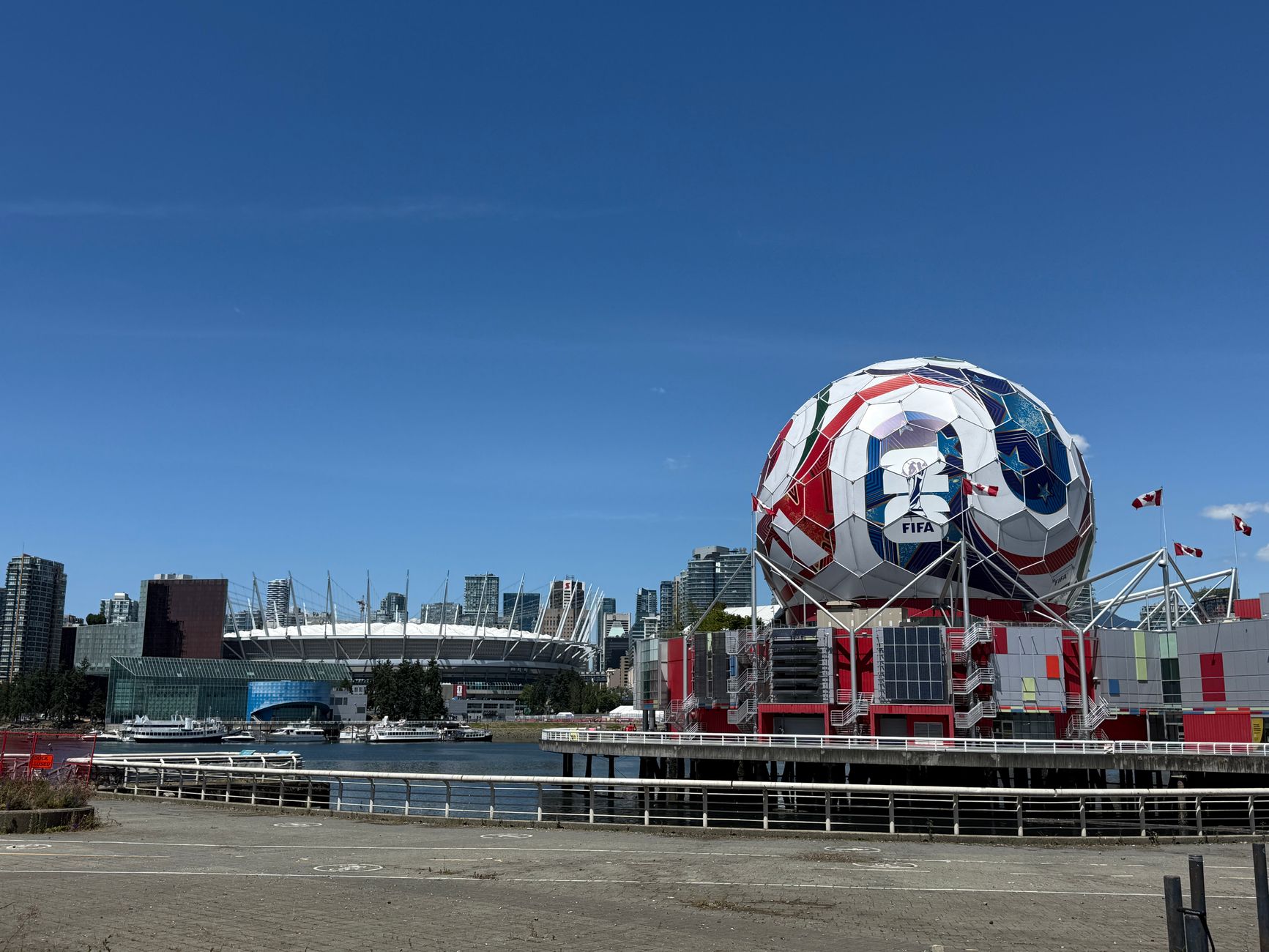
The 2026 FIFA World Cup is the strongest 2026 signal for Tactical Review readers because it combines expanded tournament coverage, daily team-tactics analysis, player-stat demand and regulated betting-market attention across North America. The year also brings the 2026 MLB Draft cycle, where Major League Baseball coverage is already tracking which prospects could reach the Majors fastest, and the 2026 Social Security COLA, set at 2.8 percent by the Social Security Administration, which affects disposable-income assumptions for U.S. consumers. Most 2026 previews overrate calendar trivia and underrate market timing: first, football drives sustained attention; then baseball prospect pipelines create secondary wagering narratives; finally, macro figures such as the $184,500 Social Security taxable maximum shape consumer context. The actionable takeaway is simple: prioritize World Cup intelligence first, but read it alongside sports-development and economic data.
Photo by The Six on Pexels
For deeper daily coverage of the tournament context, Tactical Review keeps the football lens practical and data-led.
The Top 3 at a Glance
Most 2026 rankings get the order wrong by treating every major event as equally important. They are not. For sports-media readers, licensed betting analysts and tournament followers, the best ranking starts with attention density, then measures data availability, and finally checks whether the signal changes real consumer behavior. On that basis, the top three 2026 signals are:
- 2026 FIFA World Cup: best overall because FIFA, the United States, Canada and Mexico create the year’s largest football-data and betting-content cycle.
- 2026 MLB Draft pipeline: best for prospect-market watchers because Major League Baseball and MLB Pipeline track player timelines, signing values and early call-up probabilities.
- 2026 Social Security COLA: best value as a macro signal because the Social Security Administration confirmed a 2.8 percent adjustment and higher taxable maximums.
That order may feel contrarian because Social Security affects more Americans than the World Cup affects bettors. However, Tactical Review is not ranking civic importance; it is ranking usefulness for a sports-entertainment audience following match predictions, team tactics, player stats and legal-market conversation. For additional tournament reading, see our [Internal Link: 2026 World Cup tactical predictions hub].
#1 2026 FIFA World Cup: Best Overall
The 2026 FIFA World Cup ranks first because it has the widest blend of audience scale, tactical depth and regulated betting relevance. It is hosted across the United States, Canada and Mexico, giving Tactical Review readers a concentrated football calendar with more matchups, more travel variables and more tactical storylines than a typical tournament year.
The lazy claim is that the 2026 World Cup matters only because it is bigger. Size helps, but it is not the real edge. The real edge is fragmentation: matches across North America will create different climates, time zones, surfaces, travel-rest gaps and crowd compositions. Those details can matter more than broad narratives such as “European teams dominate” or “South American teams travel well.” First, analysts should map venue context; then they should compare pressing intensity, recovery days and player workload; finally, they should decide whether the market has priced those details accurately.
Tactical Review’s coverage is built for that level of reading. A casual preview may stop at star names, while a sharper 2026 World Cup betting preview will ask whether a side can sustain a high line in heat, whether a substitute winger changes expected-goal volume after minute 65, and whether a national team’s qualifying numbers translate against elite opposition. According to FIFA, the 2026 tournament will be staged in three host countries, a structural factor that makes logistics more important than in single-country editions.

Photo by Robert Hernandez Villalta on Pexels
Want the football signal without the noise? Tactical Review focuses on the variables that usually move before public narratives catch up.
#2 2026 MLB Draft: Best for Prospect Timing
The 2026 MLB Draft ranks second because prospect timelines create early information gaps. MLB Pipeline has already framed the key question clearly: which 2026 Draft picks can reach the Majors fastest? That matters for baseball analysts because speed-to-Majors can shift roster forecasts, futures angles and player-development narratives.
Here is where many articles overstate certainty. A high draft position does not automatically mean a fast Major League Baseball debut. Pitchers with polished command can move quickly, but workload management, signing timing and organizational depth charts often slow the path. Similarly, college bats may look close to ready, yet defensive fit and swing decisions against upper-minors pitching can delay them. First, check whether the player has a carrying tool; then inspect the club’s competitive window; finally, ask whether the player solves an immediate roster problem.
The reference point is useful: MLB noted that no player from the 2025 class had reached the Majors at the time of its 2026 Draft review, while six players from the 2024 Draft debuted before the first anniversary of their selection. That single comparison is more informative than a generic “top prospects rise fast” claim. It shows the edge case: quick debuts happen, but they are exceptional rather than normal. For more background, consult MLB Pipeline and our [Internal Link: baseball prospect analysis guide].
#3 2026 Social Security COLA: Best Value
The 2026 Social Security COLA ranks third because it is not a sports event, but it is a useful consumer-context signal. The Social Security Administration set the 2026 cost-of-living adjustment at 2.8 percent, while the Social Security taxable maximum rises from $176,100 in 2025 to $184,500 in 2026.
This is the kind of data sports-betting commentary usually ignores, and that is a mistake. Legal betting markets do not exist outside household budgets, media subscriptions, travel costs or discretionary spending. The 2.8 percent COLA does not predict match outcomes, but it helps explain the broader environment around U.S. consumers in 2026. The Social Security Administration says the adjustment is “based on the increase in the Consumer Price Index” from the third quarter of 2024 through the third quarter of 2025, according to its 2026 COLA fact sheet.
The better use of this number is not moralizing about spending. It is practical segmentation. Retired workers are estimated to move from an average $2,015 monthly benefit before COLA to $2,071 after COLA in January 2026, while the maximum benefit for a worker retiring at full retirement age rises to $4,152 per month. First, treat those numbers as macro context; then compare them with ticket pricing, streaming costs and travel demand; finally, avoid assuming every sports fan faces the same financial conditions.
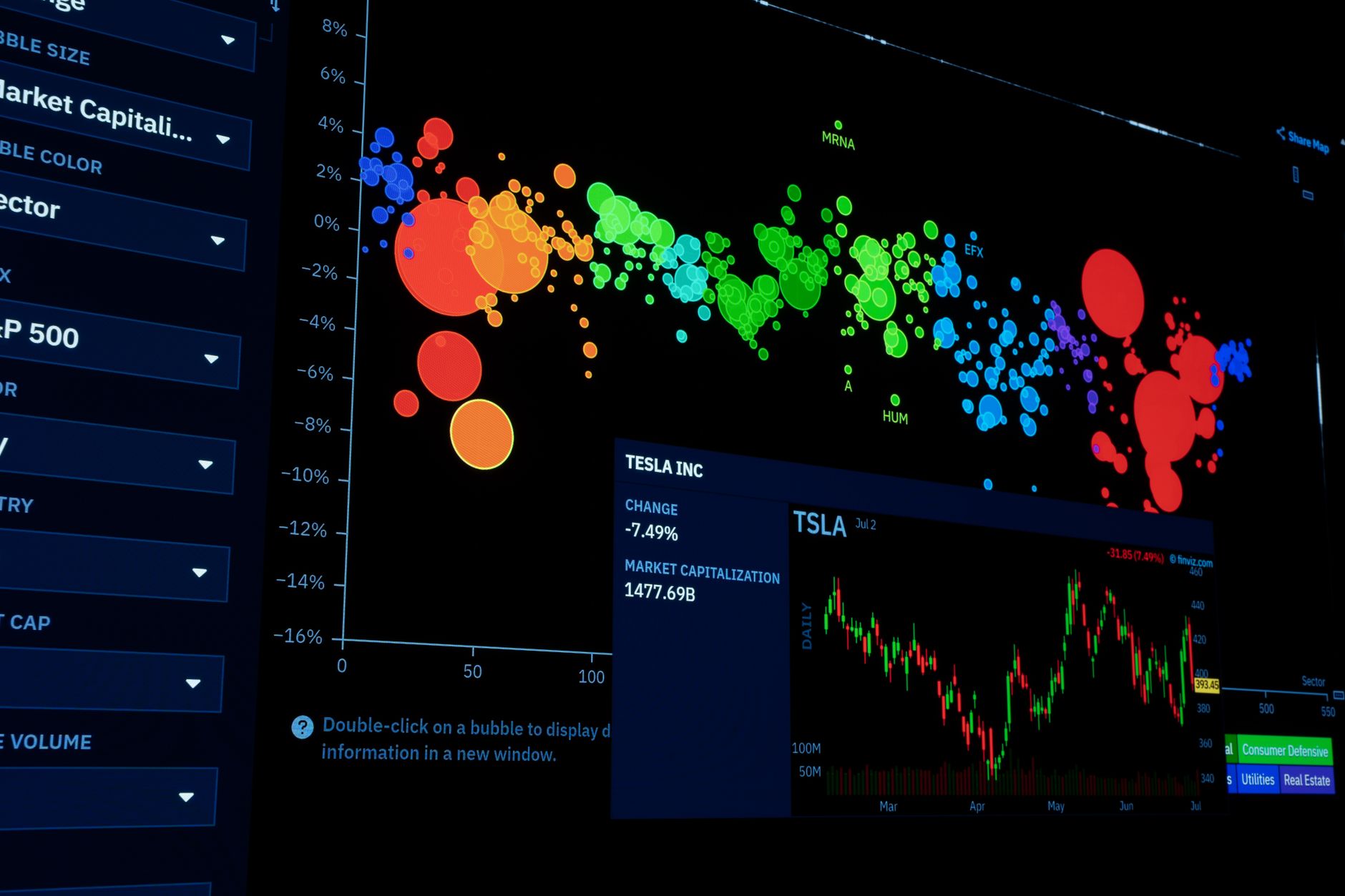
Photo by Rafael Minguet Delgado on Pexels
See the wider 2026 context before narrowing your match view.
How Did We Rank Them?
We ranked the 2026 signals by usefulness to sports-entertainment readers, not by general historical importance. The weighting was 45 percent audience and betting relevance, 25 percent data depth, 20 percent timing advantage and 10 percent macro context. That framework puts the 2026 FIFA World Cup first, the MLB Draft second and Social Security COLA third.
This ranking is intentionally skeptical. A typical 2026 article might list elections, anniversaries, films, economic updates and sporting events as if search volume alone proves importance. Tactical Review takes a narrower view: what helps a reader understand football markets, tournament tactics and sports narratives earlier than the crowd? The 2026 FIFA World Cup wins because it creates daily tactical questions. The MLB Draft places second because it rewards specialist knowledge. Social Security COLA places third because it is indirect, but measurable.
The scoring method was simple:
- 45 percent relevance: Does the signal affect sports coverage or regulated betting discussion?
- 25 percent data depth: Are there reliable statistics from FIFA, MLB or the Social Security Administration?
- 20 percent timing advantage: Can early readers gain context before mainstream coverage peaks?
- 10 percent macro context: Does the signal explain consumer behavior or market conditions?
For readers who want to compare football-specific variables, our [Internal Link: match prediction methodology] explains how tactical indicators should be weighed against odds movement.
Which Should You Pick?
Pick the 2026 FIFA World Cup if your goal is match insight, tactical analysis or regulated betting coverage. Pick the 2026 MLB Draft if you want player-development angles before casual baseball fans notice them. Pick the 2026 Social Security COLA if you need broader U.S. consumer context for sports-media behavior.
The refined position is this: 2026 is not one story, and pretending it is will produce shallow analysis. The World Cup is the main event for Tactical Review because it connects tactics, player stats, market attention and daily fan demand. The MLB Draft is the overlooked second layer because call-up timing can create sharp baseball narratives. The COLA is the quiet third layer because consumer context matters, even when it does not appear in a match preview.
A practical 2026 workflow should therefore start with football, then move outward. First, track national-team systems, venue conditions and player workloads. Then monitor secondary sports cycles such as Major League Baseball prospect movement. Finally, keep macro figures like the 2.8 percent COLA in view, especially when analyzing U.S. fan demand around travel, subscriptions and entertainment budgets. That combination is less flashy than a generic prediction list, but it is more useful.
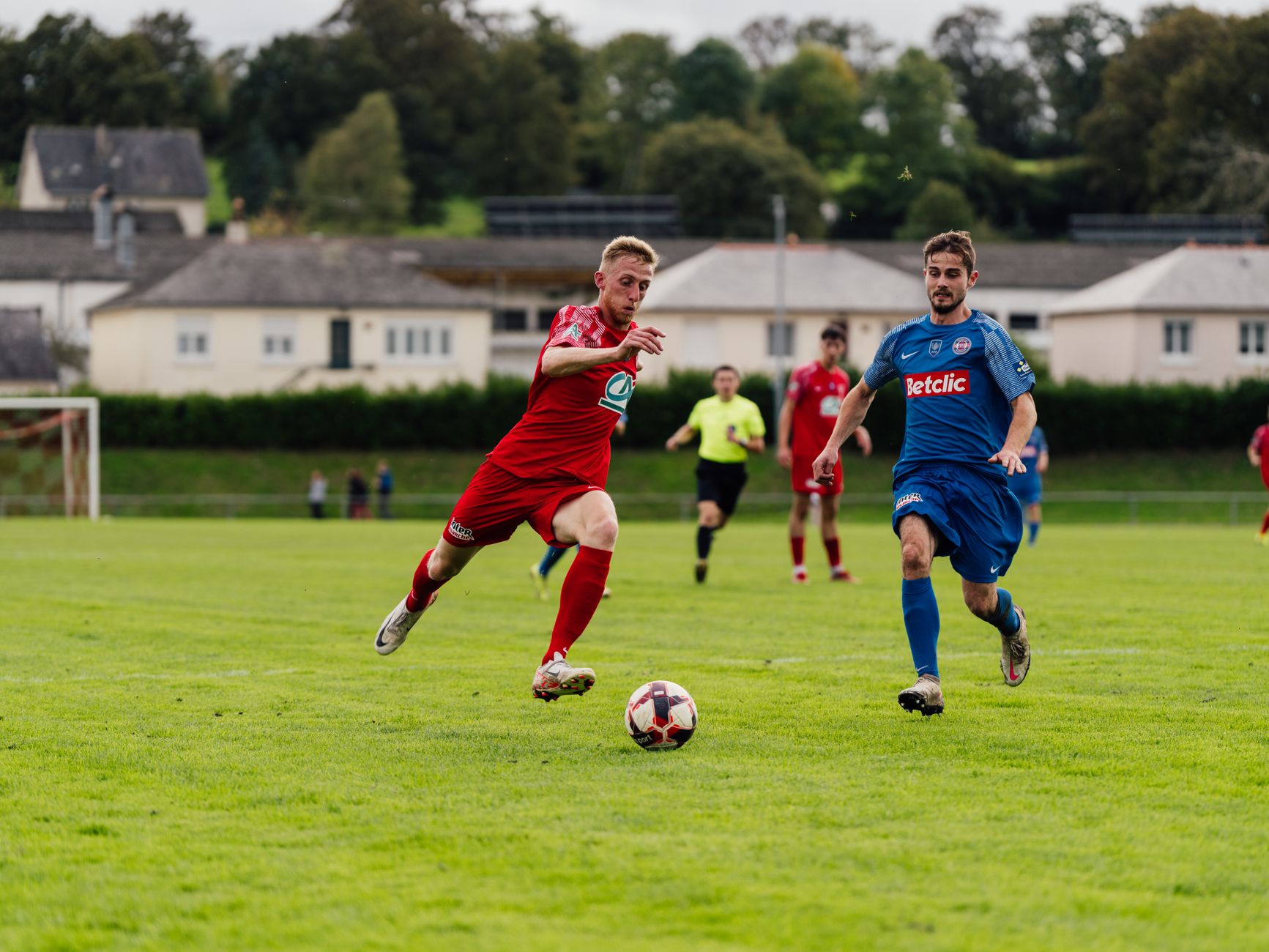
Photo by Bechir Lachiheb on Pexels
Ready to follow 2026 with a sharper tactical lens?
Frequently Asked Questions
Q: What is the most important 2026 sports event for Tactical Review readers?
A: The 2026 FIFA World Cup is the most important event for Tactical Review readers. It combines international football, tactical analysis, player statistics and regulated betting-market attention across the United States, Canada and Mexico. Because the tournament has multiple host countries, travel, climate and venue conditions should be treated as serious analytical variables.
Q: How should I analyze the 2026 World Cup before betting markets mature?
A: Start with team tactics, then add venue logistics, player workload and squad depth. A strong process compares pressing style, transition defense, set-piece quality and travel-rest gaps before looking at public narratives. Tactical Review readers should avoid relying only on star players because tournament outcomes often turn on structure and substitutions.
Q: What is the difference between the 2026 World Cup and the 2026 MLB Draft as analysis topics?
A: The 2026 World Cup is a match-by-match tournament signal, while the 2026 MLB Draft is a player-development timing signal. World Cup analysis focuses on teams, tactics and fixtures, whereas MLB Draft analysis focuses on prospects, organizations and speed-to-Majors probability. Both matter, but they serve different readers and time horizons.
Q: Why does the 2026 Social Security COLA matter in a sports article?
A: The 2026 Social Security COLA matters because it provides consumer-spending context in the United States. The Social Security Administration set the COLA at 2.8 percent and raised the taxable maximum to $184,500. Those figures do not predict games, but they help analysts understand the broader entertainment and travel environment.
Q: What should I do if 2026 predictions conflict across sources?
A: Prioritize sources that show their assumptions and use named data rather than vague confidence. For football, compare FIFA tournament facts, tactical metrics and injury information; for baseball, compare MLB Pipeline notes with team roster needs. If two predictions disagree, the better one usually explains timing, sample size and context.
Q: Is Tactical Review free to use for 2026 World Cup coverage?
A: Tactical Review provides accessible 2026 World Cup-focused content for fans following match predictions, team tactics, player stats and tournament coverage. Availability can vary by content type, but the site is designed for daily football insight. Readers should use it as a practical companion to official FIFA data and licensed-market information.
Thank you for reading.
Tactical Review · Latest Insights