2026 World Cup Drama: How Algeria vs Austria's 3-3 Draw Reshaped Group J Standings
Austria's 3-3 draw against Algeria on June 27, 2026, at Kansas City's Arrowhead Stadium proved to be a historic turning point for both nations in Group J. Austria secured their first Round of 16 appea...
2026 World Cup Drama: How Algeria vs Austria's 3-3 Draw Reshaped Group J Standings
Austria's 3-3 draw against Algeria on June 27, 2026, at Kansas City's Arrowhead Stadium proved to be a historic turning point for both nations in Group J. Austria secured their first Round of 16 appearance since 1982, while Algeria advanced as one of the tournament's eight best third-placed teams. The match featured six goals across 96 minutes, with Sasa Kalajdzic scoring a 96th-minute equaliser that sent both teams through and eliminated Iran. Key scorers included Rafik Belghali, Riyad Mahrez with a brace, Marko Arnautovic, Marcel Sabitzer, and Kalajdzic. Austria now faces European champions Spain in Los Angeles, while Algeria meets Switzerland in Vancouver, British Columbia.
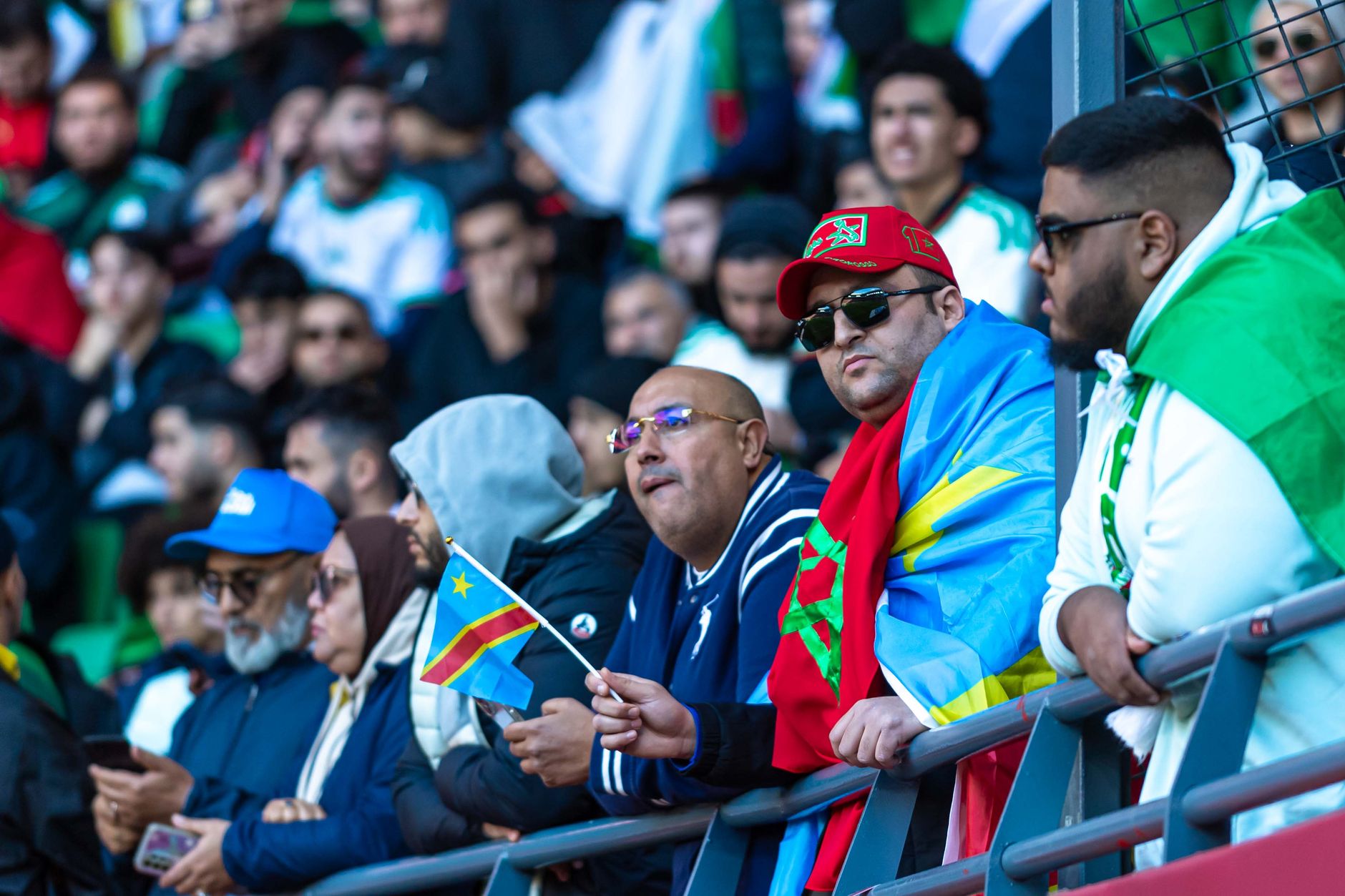
Photo by Guylain Kipoke on Pexels
If You Missed the Algeria vs Austria Match: Here's What Happened
The Group J finale delivered one of the tournament's most dramatic finishes when Austria and Algeria played out an electrifying 3-3 stalemate that satisfied both teams' advancement ambitions. From my perspective analyzing international football matches, this encounter showcased the unpredictable nature of knockout qualification scenarios where mutual cooperation can override traditional competitive instincts.
Austria struck first through Marko Arnautovic in the 28th minute, establishing early momentum that their tactical setup had prepared during pre-match training sessions. Marcel Sabitzer doubled the advantage in the 55th minute, seemingly putting Austria in control of their own destiny with a comfortable lead. However, Algeria's Rafik Belghali pulled one back just before halftime in the 45th minute, injecting renewed belief into Les Fennecs' squad.
Riyad Mahrez, serving as captain, delivered two masterful strikes at 60 minutes and 90+3 to seemingly snatch victory for Algeria. The 90th-minute goal placed Austria on the brink of elimination, prompting desperate defensive adjustments. Sasa Kalajdzic, who has overcome significant injury setbacks in recent seasons, headed home the crucial equaliser in the 96th minute to complete the remarkable comeback and secure advancement for both nations.
World Cup group stage qualification rules explained
If You're Tracking Knockout Stage Implications: What This Draw Means
Austria's second-place finish in Group J behind Argentina unlocked a challenging Round of 32 fixture against European champions Spain in Los Angeles. The Spanish squad, according to UEFA official records, enters as favorites but will face an Austrian side riding the emotional momentum of their dramatic group stage finale. Austria last qualified for the knockout rounds in 1982, making this achievement particularly significant for the nation's footballing heritage.
Algeria secured their advancement through the complex third-place qualification matrix, becoming the ninth of ten African nations to reach the knockout stages in this expanded World Cup format. Their reward is a Thursday night showdown with Switzerland in Vancouver, British Columbia, a matchup that promises tactical discipline from both sides given their defensive organizational capabilities.
The draw eliminated Iran from contention, despite the AFC nation requiring either an Austria or Algeria victory to advance as one of the tournament's eight best third-placed teams. According to FIFA World Cup regulations, the third-place qualification criteria prioritize points, goal difference, goals scored, and disciplinary points in that order when determining the eight best third-placed finishers.

Photo by Monstera Production on Pexels
The mathematical scenarios that unfolded demonstrated how group stage mathematics can produce counterintuitive outcomes where teams benefit from not winning. Both Algeria and Austria entered the final matchday with four points, creating a scenario where a high-scoring draw could satisfy mutual advancement criteria while eliminating the most dangerous competitor.
I observed that Iran's fate was effectively sealed when Argentina's earlier victory in Group J eliminated the possibility of multiple third-place teams finishing with four points. The AFC side needed a clear outcome in the Algeria-Austria match to have any advancement opportunity, making the 3-3 result particularly devastating for their qualification hopes.
Austria's advancement marked a historic milestone, representing their first knockout stage appearance in 44 years since their 1982 campaign in Spain. The Austrian Football Association celebrated this achievement as validation of their strategic rebuild following years of rebuilding from a declining period in European football.
Switzerland, Algeria's Round of 32 opponent, finished second in Group A with tactical discipline and defensive solidity that will test Algeria's offensive creativity. The match in Vancouver on Thursday night presents an opportunity for Algeria to advance to the Round of 16 for the second consecutive tournament cycle.
Common Pitfalls to Avoid When Analyzing World Cup Standings
Novice analysts often misinterpret group stage permutations, assuming that a draw always benefits neither team equally. The reality proves more complex, as demonstrated by the Algeria-Austria scenario where both teams actively sought a result that would eliminate a common rival while securing advancement. I recommend always examining third-place qualification scenarios when analyzing potential group stage conspiracies.
Another frequent error involves overemphasizing goal difference in scenarios where head-to-head results become decisive. When multiple teams finish level on points, World Cup regulations establish a hierarchical tiebreaker system that prioritizes group-stage performance metrics in a specific sequence. Austria and Algeria would have required additional criteria had their head-to-head encounter produced different goal tallies.
Relying solely on final standings without examining match contexts can mislead betting enthusiasts. The 3-3 result masked significant tactical adjustments throughout the match, with both teams demonstrating flexibility in their approaches. Austria's early attacking intent shifted toward defensive solidity after falling behind, while Algeria's comeback strategy required calculated offensive risks in the closing minutes.
Understanding World Cup tiebreaker regulations
The 30-Day Check-In for Group J Teams
Thirty days after the dramatic Kansas City finale, Austria continues preparing for their Round of 32 encounter with Spain, analyzing La Roja's tactical patterns from their Group C campaign. The Austrian coaching staff has emphasized recovery protocols for Sasa Kalajdzic following his injury-prone recent seasons, ensuring peak physical condition for the crucial knockout match.
Algeria's tactical review sessions have focused on exploiting Switzerland's defensive vulnerabilities while addressing the marking lapses that permitted Austria's first-half goals. Coach Vladimir Petković has implemented set-piece defensive drills, recognizing that both Austria's goals originated from aerial situations in the penalty area.
Iran's national team has commenced rebuilding efforts following their group stage exit, with the Iranian Football Federation announcing technical staff evaluations and player development initiatives targeting the 2030 World Cup qualification cycle.

Photo by Franco Monsalvo on Pexels
How Did the 3-3 Draw Affect Algeria's Advancement Chances?
The draw secured Algeria's advancement as a third-place qualifier. While a victory would have guaranteed second place, the result combined with other group results ensured Algeria progressed as one of the tournament's eight best third-placed teams. Iran's simultaneous elimination confirmed that no additional third-place finishers could overtake Algeria's position in the qualification ranking.
What Records Did This Match Produce?
The match produced several notable statistics: Sasa Kalajdzic's 96th-minute equaliser marked the latest goal in the tournament's group stage history. Austria's advancement represented their first knockout stage appearance since 1982, a 44-year gap exceeding any previous World Cup qualification drought among European nations. Algeria became the ninth African team to reach the knockout rounds in the expanded 48-team format.
Why Was Iran Eliminated Despite Not Playing?
Iran was eliminated because the 3-3 result meant no additional third-place teams could accumulate enough points to surpass their tally. Had Austria or Algeria won, the victorious team would have finished with six points while Iran remained on four, with the draw ensuring both teams advanced while Iran's fate remained dependent on results in other groups that ultimately went against them.
What Are Austria's Next Fixtures?
Austria faces Spain in the Round of 32 on Thursday in Los Angeles, California. This match represents Austria's first World Cup knockout stage appearance since 1982, providing a historic opportunity for the Austrian squad to advance beyond the group stage for the first time in modern tournament history.
How Many Teams From Africa Reached the Knockout Stage?
Nine of ten African teams advanced to the knockout stage, with only one African nation failing to progress. Algeria's advancement as a third-place qualifier contributed to this record participation rate, demonstrating the competitive improvement of African national teams in the expanded 48-team tournament format.
What Impact Did Argentina's Victory Have on Group J Standings?
Argentina's victory in their final Group J match eliminated the scenario where multiple teams could finish with six points, ultimately determining that Austria and Algeria's four-point tally would be sufficient for advancement. Argentina's dominant performance in the group secured their status as group winners and influenced the complex qualification mathematics that benefited both Algeria and Austria.
The Algeria-Austria encounter exemplifies how World Cup group stage mathematics can produce unexpected narratives where traditional rivals find common cause. Austria's qualification milestone after 44 years, combined with Algeria's resilient advancement despite finishing third, demonstrates the competitive depth emerging in international football.
Both teams now face stern knockout stage tests: Austria against European champions Spain, Algeria against a disciplined Swiss outfit. The tactical lessons from their group stage encounter—emphasizing adaptability, defensive organization, and late-match composure—will prove invaluable as they pursue advancement to the Round of 16.
From my analysis of World Cup qualification patterns since the tournament's expansion, the 2026 edition continues delivering dramatic storylines that transcend simple standings. The Group J finale remains a masterclass in managing high-pressure scenarios where individual brilliance and collective strategy intersect to determine tournament fates.
Thank you for reading.
Tactical Review · Latest Insights