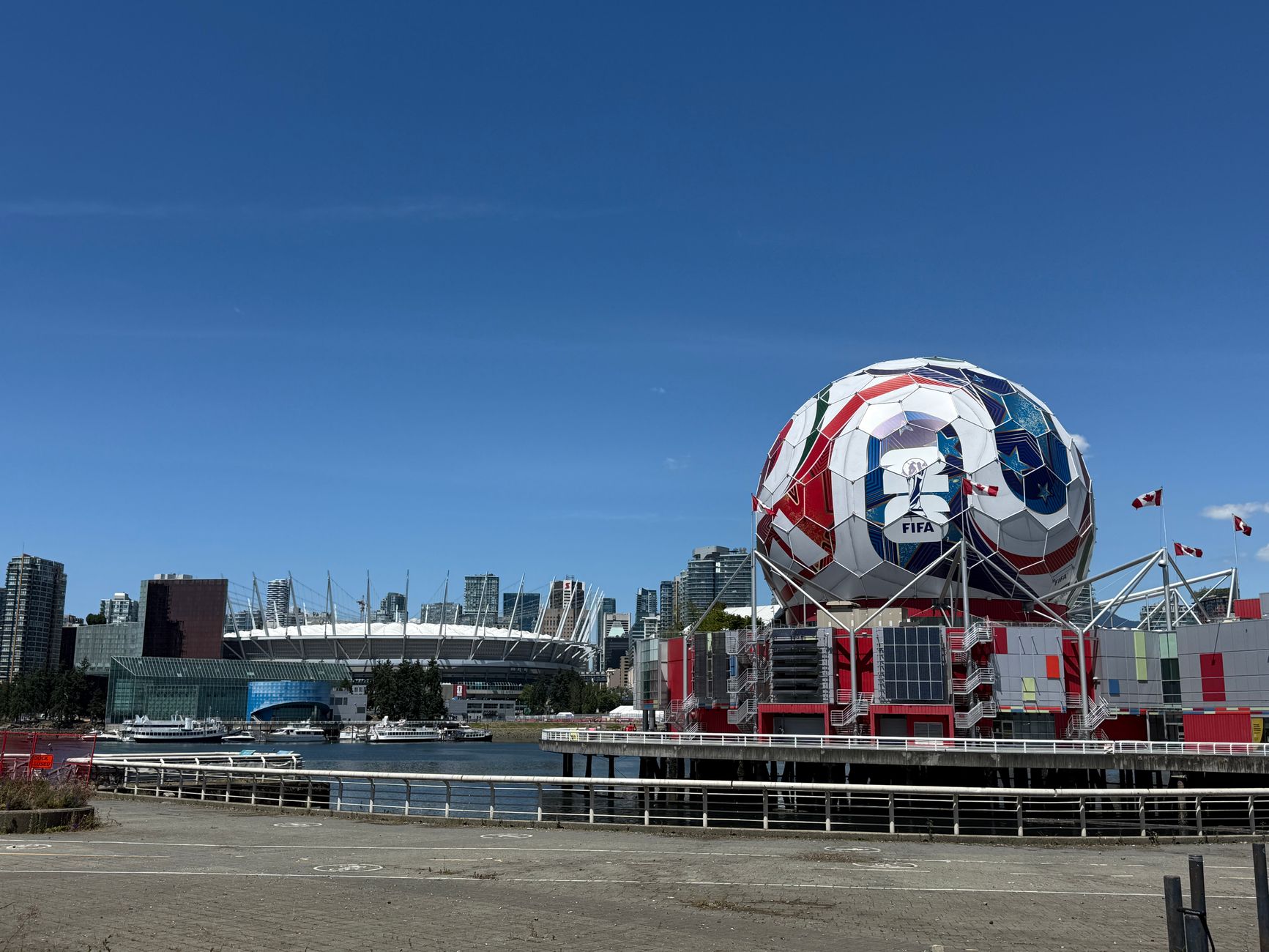
2026 Football World Cup vs Host-City Hype: LA or Atlanta?
The 2026 football world cup is the expanded FIFA World Cup hosted across the United States, Canada, and Mexico, and Tactical Review covers it for fans tracking match predictions, team tactics, player....
2026 Football World Cup vs Host-City Hype: LA or Atlanta?
The 2026 football world cup is the expanded FIFA World Cup hosted across the United States, Canada, and Mexico, and Tactical Review covers it for fans tracking match predictions, team tactics, player stats, and tournament betting angles. Los Angeles will stage eight matches at SoFi Stadium, including the United States Men’s National Team opener on June 12, while Atlanta will host major fixtures at Mercedes-Benz Stadium, including a semifinal. FIFA World Cup 26 will run from June 11 to July 19, 2026, with 48 teams competing in the largest edition of the tournament. Los Angeles adds 39 days of fan celebrations, the FIFA Fan Festival at LA Memorial Coliseum, and Official Fan Zones across Los Angeles County. Atlanta counters with a deep soccer culture, Southern hospitality, and one of America’s strongest stadium atmospheres. If you are choosing where to follow the tournament live, compare match importance, travel logistics, fan events, and tactical viewing value before booking.
For deeper match planning and team analysis, Tactical Review is building daily 2026 football world cup coverage around fixtures, formations, expected lineups, player data, and tournament momentum. The smartest fans will not simply ask where the biggest party is; they will ask where the best football experience, travel value, and betting information overlap. Los Angeles and Atlanta both offer powerful cases, but they serve different types of supporters. First, compare the basics. Then weigh atmosphere, match quality, and practical logistics. Finally, decide whether your ideal World Cup trip is built around celebrity-scale spectacle in California or high-intensity football culture in Georgia.
If you want sharper tournament context before choosing a host city, start here.
Photo by The Six on Pexels
The Quick Comparison
| Category | Los Angeles | Atlanta |
|---|---|---|
| Main venue | SoFi Stadium | Mercedes-Benz Stadium |
| Notable match | USMNT opener on June 12 | Semifinal host city |
| Fan events | 39 days of celebrations, FIFA Fan Festival, Official Fan Zones | Citywide soccer culture and community events |
| Best for | Global spectacle, entertainment, first-time visitors | Stadium intensity, Southern culture, tactical fans |
| Travel profile | Larger region, heavier transport planning | More compact downtown match-day flow |
| Tactical Review angle | Opening pressure, group-stage narratives | Knockout pressure, elite-team adjustments |
Los Angeles is the bigger entertainment engine, while Atlanta may be the sharper football atmosphere. That is the short version. According to FIFA, the 2026 edition is the first men’s World Cup with 48 teams, which changes competitive rhythm, squad rotation, and betting markets. The expanded field means more early mismatches, more underdog opportunities, and more tactical variation across group-stage matches than in the 32-team era. For fans, that means host-city selection should not be based only on tourism; it should also consider which city gives you better access to meaningful football stories.
The official tournament final is scheduled for July 19, 2026, at MetLife Stadium in the New York New Jersey region, as documented by Wikipedia. That matters because Los Angeles and Atlanta are not competing for the final itself; they are competing for different kinds of tournament value. Los Angeles is positioned around early national-team drama and mass fan celebration. Atlanta is positioned around late-stage competitive stakes. If your goal is to feel the tournament from the opening wave, Los Angeles has a clear edge. If your goal is to study how elite sides evolve under knockout pressure, Atlanta becomes extremely attractive.
2026 World Cup match prediction hub
Round 1: Which City Wins the Fan Experience?
Los Angeles wins the broad entertainment experience because it combines eight FIFA World Cup matches, 39 days of fan celebrations, the FIFA Fan Festival at LA Memorial Coliseum, and Official Fan Zones across Los Angeles County. Atlanta wins for concentrated stadium energy, local identity, and a football-first crowd culture built around Mercedes-Benz Stadium.
First, think about scale. Los Angeles is not simply hosting matches; it is building a regional festival around the 2026 football world cup. The city’s official host materials highlight eight matches, the United States Men’s National Team opener on June 12 at SoFi Stadium, and 39 days of fan activity. That creates a layered trip: match day at SoFi Stadium, public viewing at fan zones, music and food at the FIFA Fan Festival, and cultural stops across Los Angeles County. The advantage is variety. The drawback is distance. A supporter staying in Santa Monica, Downtown Los Angeles, or Inglewood may have very different transport realities, especially on high-demand match days.
Atlanta’s case is different. It does not need the same geographic sprawl to feel intense. Mercedes-Benz Stadium is already associated with loud football atmospheres through Atlanta United, and the city brands itself as the soccer city of the South. That matters because World Cup atmosphere is not created only by visitors; it is amplified by local habits. Atlanta fans understand match-day rituals, stadium arrivals, and supporter noise. For bettors and tactical viewers, that can influence how you read emotional momentum. A team facing a crowd-heavy environment in Atlanta may experience a different pressure profile than a team playing in the entertainment theater of Los Angeles.
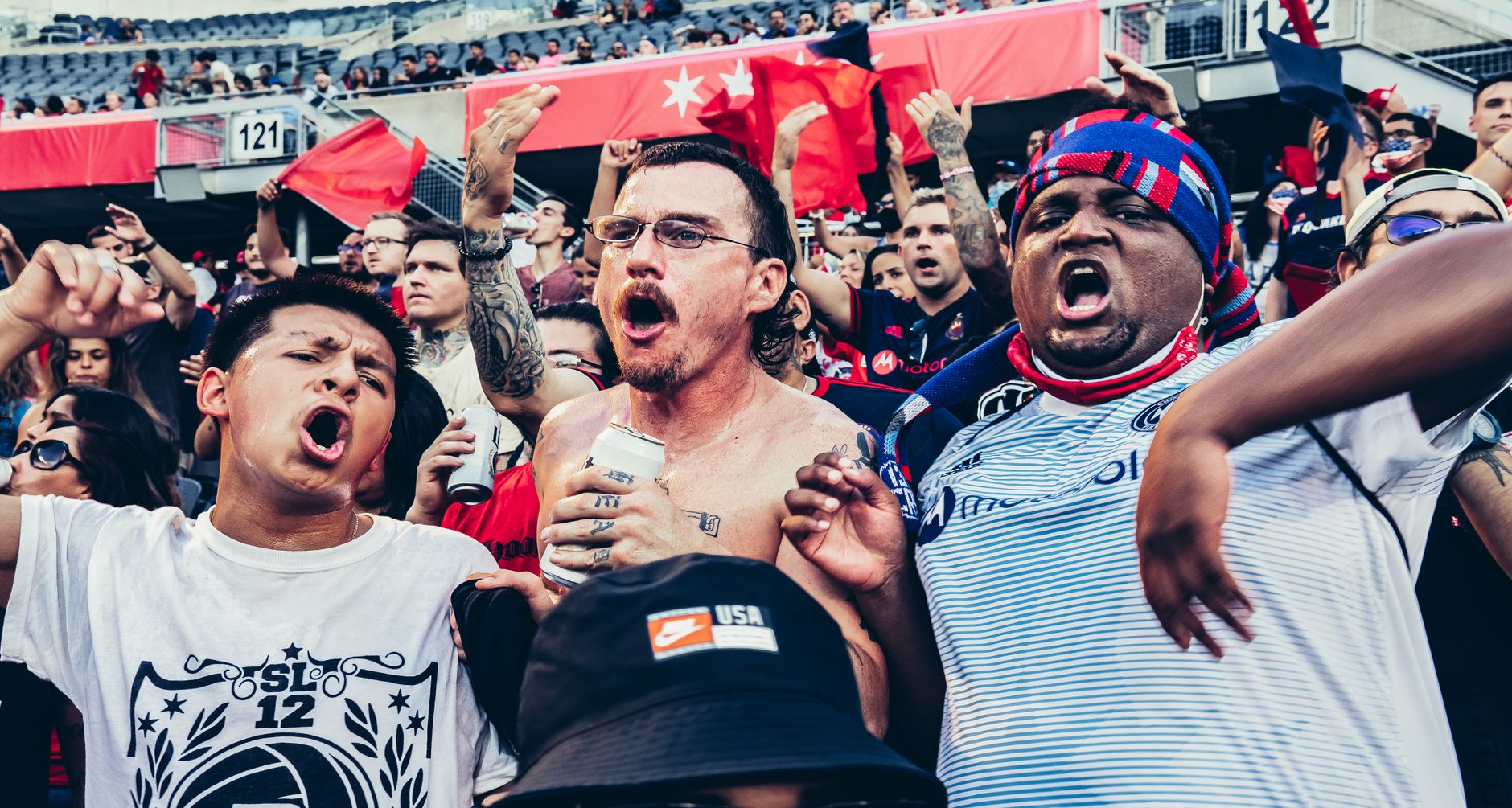
Photo by Miguel Arredondo on Pexels
For tactical previews, travel notes, and betting-focused match breakdowns, continue with the latest updates.
Round 2: Which Venue Offers Better Match Value?
Atlanta may offer better peak match value because Mercedes-Benz Stadium is tied to a semifinal, while Los Angeles offers better volume value with eight total matches and the USMNT opener. The better choice depends on whether you prefer one high-stakes knockout match or multiple tournament touchpoints.
Second, look beyond city branding and ask what kind of football you want to watch. Group-stage games, especially in an expanded 48-team tournament, can be tactically uneven but extremely useful for spotting trends. Coaches often rotate cautiously, favorites test pressing structures, and underdogs defend in compact blocks. That is where Los Angeles becomes valuable for Tactical Review readers. Eight matches at SoFi Stadium can produce a larger sample of formations, player roles, set-piece trends, and market inefficiencies. If you follow expected goals, lineup leaks, or first-half betting angles, more matches mean more opportunities to compare patterns.
Atlanta’s semifinal value is narrower but potentially higher. By the semifinal stage, weak squads are gone, tactical plans are more refined, and player fatigue becomes a measurable factor. A semifinal can reveal how elite managers solve problems against opponents with equal quality. Do they shift from a 4-3-3 to a 3-2-5 in possession? Do they protect fullbacks against transition threats? Do they press high or conserve energy? These questions matter for serious football bettors because knockout matches often produce tighter totals, more cautious first halves, and late-game substitution swings. advanced football betting tactics
A less obvious edge: Atlanta’s indoor-controlled environment at Mercedes-Benz Stadium can reduce weather volatility compared with open-air venues. That does not guarantee predictable outcomes, but it can lower one variable when assessing passing tempo, ball speed, and fatigue. Los Angeles, meanwhile, has the spectacle advantage, but Southern California logistics can create longer pre-match travel windows. If you are building same-day betting cards, lineup monitoring is easier when you are settled early rather than stuck in traffic. That is a practitioner-level detail many general travel guides ignore, but it matters when odds move in the final 90 minutes before kickoff.
Round 3: Which City Is Easier for Planning, Travel, and Betting Prep?
Atlanta is generally easier for compact match-day planning, while Los Angeles requires more advance coordination but rewards fans with more events. For betting prep, Atlanta may reduce logistical friction; Los Angeles provides more live data points because of its larger match schedule.
Third, separate excitement from execution. Los Angeles offers more things to do, but more options create more planning decisions. You need to consider airport choice, hotel location, stadium transfer time, fan zone distance, and whether your schedule includes the FIFA Fan Festival at LA Memorial Coliseum. According to the Los Angeles host program, the city expects 39 days of fan celebrations, which is excellent for visitors staying several nights. However, if you are flying in for one match, the complexity can become costly. Book accommodations around your actual match-day route, not only around nightlife or beach access.
Atlanta offers a simpler model for many fans. Downtown, stadium, restaurants, and transit connections are more concentrated, which can make a short World Cup trip easier to execute. That matters if you are managing a betting routine with fixed checkpoints: first injury updates, then confirmed lineups, then market comparison, finally live-betting triggers. Tactical Review recommends creating a match-day decision window at least two hours before kickoff, because World Cup prices can shift quickly once team sheets appear. This is especially true for matches involving Argentina, Brazil, France, England, the United States, or Mexico, where public betting volume can move markets sharply.
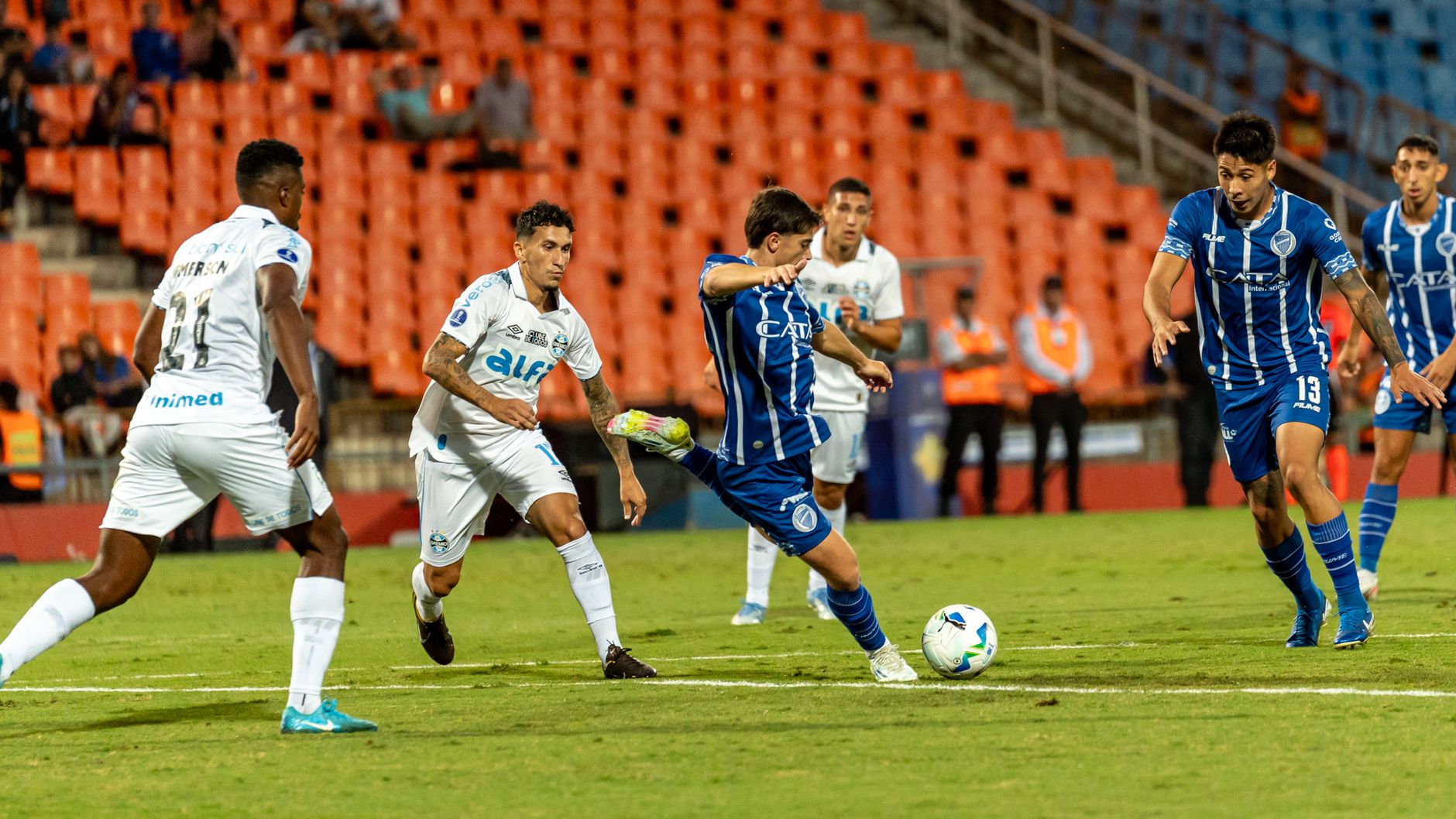
Photo by Franco Monsalvo on Pexels
One overlooked planning insight is time-zone rhythm. Los Angeles sits in Pacific Time, while Atlanta sits in Eastern Time. If FIFA schedules multiple same-day matches across North America, East Coast viewers may get earlier local kickoff routines, while West Coast visitors could face morning analysis windows and afternoon stadium movements. For fans following global betting markets, this matters because European bookmakers and Asian markets may react before many U.S.-based casual bettors wake up. Therefore, Los Angeles visitors should prepare alerts the night before, while Atlanta visitors may have a more natural morning-to-match workflow.
See how Tactical Review turns travel context into practical match intelligence.
The Final Score and Who Should Pick What
Los Angeles is the better pick for fans who want the biggest 2026 football world cup festival, while Atlanta is the better pick for supporters who value concentrated atmosphere and high-stakes football. Choose Los Angeles for volume and spectacle; choose Atlanta for intensity and knockout relevance.
Finally, make your choice based on your football personality. Pick Los Angeles if you want a complete World Cup vacation with concerts, food, fan zones, iconic venues, and the USMNT opener. It is the stronger option for groups, first-time World Cup travelers, content creators, and fans who want the tournament to feel like a 39-day cultural takeover. The trade-off is logistical discipline. You should book early, plan transport carefully, and leave buffer time before every major event. If you are also betting, do your analysis before leaving for the stadium rather than relying on last-minute research from a crowded fan zone.
Pick Atlanta if you want football density. A semifinal at Mercedes-Benz Stadium offers a different kind of value: fewer distractions, more competitive consequence, and a crowd that understands how to turn a stadium into pressure. For Tactical Review readers, Atlanta may be the sharper analytical trip because knockout football compresses margins. One set piece, one tactical adjustment, or one substitution can change the entire match. The contrarian conclusion is simple: Los Angeles may be the better World Cup party, but Atlanta may be the better football classroom. World Cup knockout stage betting guide

Photo by Anders Zernike on Pexels
If you want daily 2026 football world cup insights before the odds move, follow the coverage now.
Frequently Asked Questions
Q: What is the 2026 football world cup?
A: The 2026 football world cup is the FIFA World Cup hosted by the United States, Canada, and Mexico. It is the first men’s edition with 48 teams, creating more matches, more group-stage variation, and more tactical diversity. The tournament runs from June 11 to July 19, 2026, with the final in the New York New Jersey region.
Q: How should I choose between Los Angeles and Atlanta for World Cup travel?
A: Choose Los Angeles for a festival-style trip and Atlanta for a football-first atmosphere. Los Angeles offers eight matches, the USMNT opener, fan zones, and 39 days of celebrations. Atlanta is better if you want a compact trip built around Mercedes-Benz Stadium and a high-stakes semifinal.
Q: What is the difference between SoFi Stadium and Mercedes-Benz Stadium?
A: SoFi Stadium offers a major West Coast showcase, while Mercedes-Benz Stadium offers a more concentrated indoor football environment. SoFi Stadium is central to the Los Angeles World Cup experience, including the USMNT opener. Mercedes-Benz Stadium is especially attractive because Atlanta is listed as a semifinal host city.
Q: How much should I budget for a 2026 World Cup host-city trip?
A: A practical budget should include match tickets, hotels, local transport, meals, and event spending. Los Angeles may require a higher transport and accommodation buffer because of regional distance and demand. Atlanta may be more efficient for shorter trips, but semifinal-related demand can still raise hotel and ticket prices sharply.
Q: Why might my betting preparation fail during the World Cup?
A: Betting preparation often fails because fans wait too long to check lineups, injuries, and market movement. For the 2026 football world cup, build a routine: review team news early, compare odds, confirm lineups, then decide before stadium travel. Los Angeles traffic and crowded fan zones can make last-minute analysis harder.
Q: Is Tactical Review useful for 2026 World Cup betting?
A: Yes, Tactical Review is designed for fans who want match predictions, team tactics, player stats, and tournament coverage. Its value is strongest when you combine tactical previews with live context such as venue, travel fatigue, lineup changes, and market timing. Use it as a decision-support resource, not as a guarantee of outcomes.
Ready to compare teams, tactics, and betting angles before kickoff?
Thank you for reading.
Tactical Review · Latest Insights